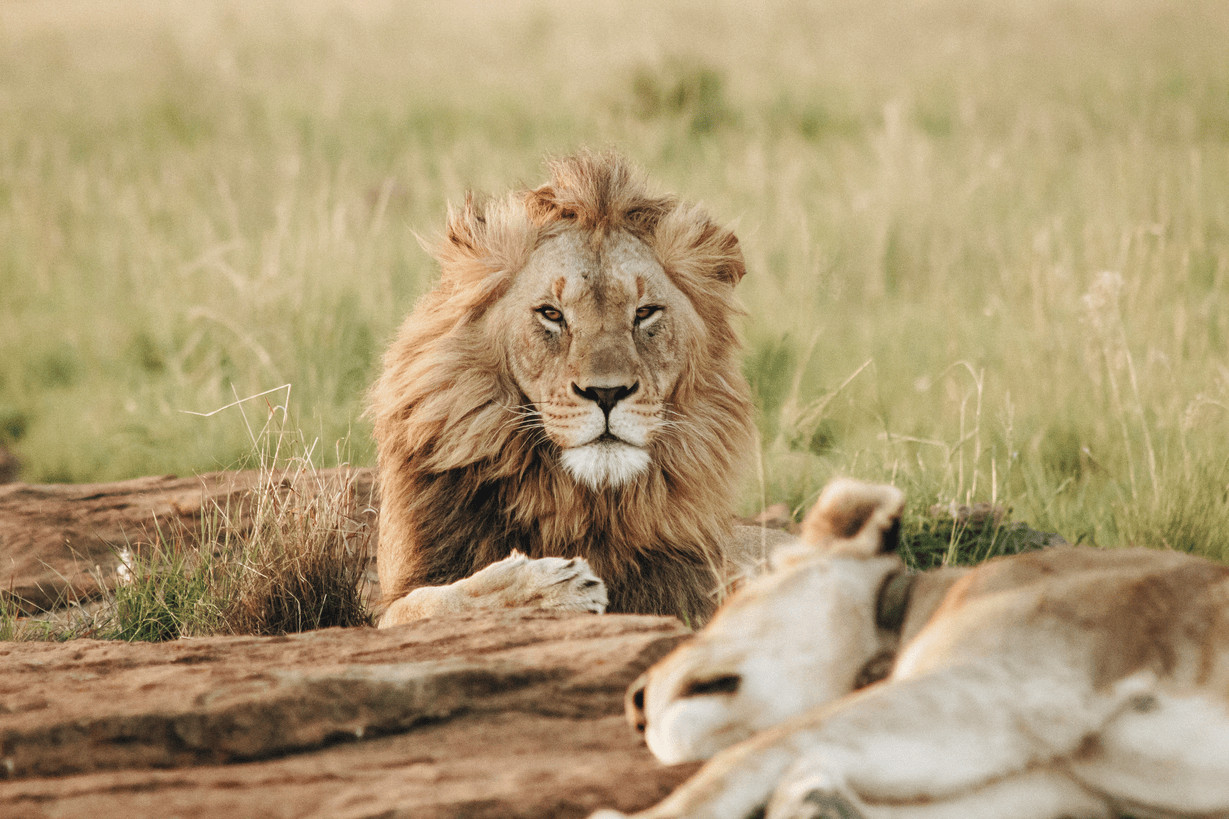

When people think of African safaris, they often picture open savannahs, sweeping grasslands dotted with silhouetted acacia trees, and dramatic wildlife sightings beneath cloudless skies. Yet some of the continent’s richest ecosystems are shaped not by land, but by water.
Across Africa, wetlands create extraordinary seasonal worlds: flooded grasslands attracting vast herds, papyrus swamps hiding rare birds, desert lagoons crowded with flamingos, and winding channels explored silently by canoe. These landscapes are among the continent’s most dynamic habitats, constantly changing with the rains and flood cycles that sustain them.
This year’s exceptional rains across southern Africa have made many of these wetlands more spectacular than ever. Here are five of our favourite wetland experiences across the continent.
Okavango Delta, Botswana
Africa’s great inland oasis
Few wetlands on Earth rival the Okavango Delta. Each year, floodwaters flowing down from Angola spread slowly like an open hand across northern Botswana, transforming the edge of the Kalahari into a maze of lagoons, channels, islands and floodplains.
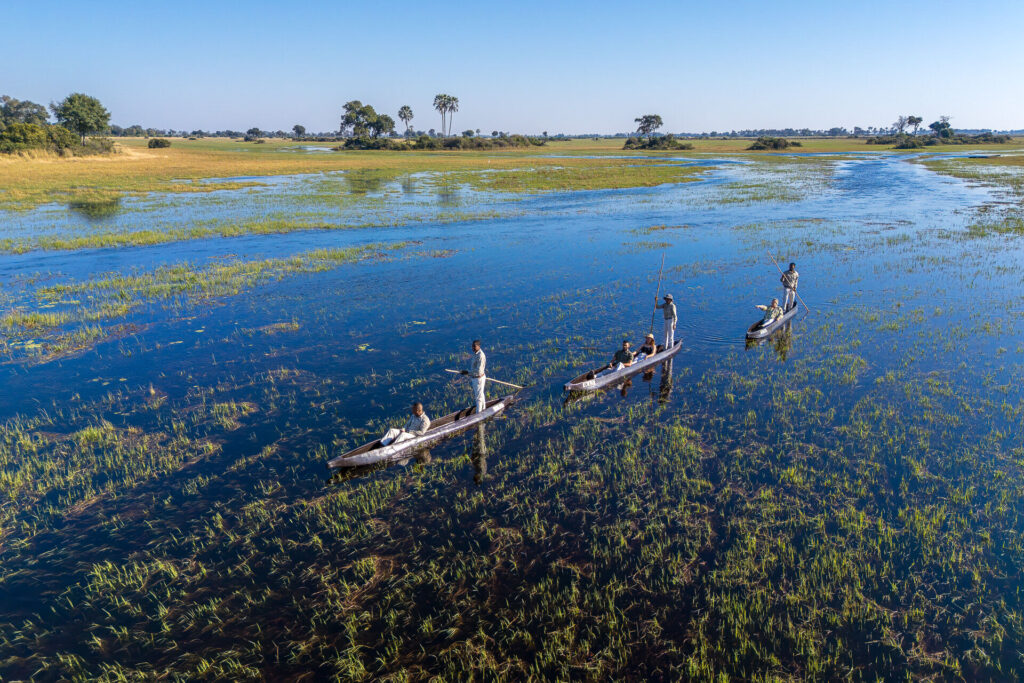
What makes the Okavango so special is the way water shapes every safari experience. One moment you may be drifting silently through papyrus-lined channels in a mokoro canoe, watched by reed frogs and malachite kingfishers; the next, tracking lions or wild dogs across palm-dotted islands.
In high flood years, the Delta becomes particularly magical. Permanent waterways expand, boat safaris become possible in areas that are often dry, and floodplains shimmer beneath spectacular sunsets. Hippos grunt from hidden lagoons, elephants wade chest-deep through channels, and red lechwe bound effortlessly through the shallows.
For many travellers, the Okavango offers the most atmospheric safari experience in Africa, not simply because of the wildlife, but because of the feeling of immersion in water and wilderness together.
Experience it for yourself: Our Tsessebe Safari combines exceptional wildlife viewing with classic Okavango water experiences, from mokoro trips through papyrus channels to boating across floodplains alive with birds and wildlife.
Bangweulu Wetlands, Zambia
In search of the shoebill
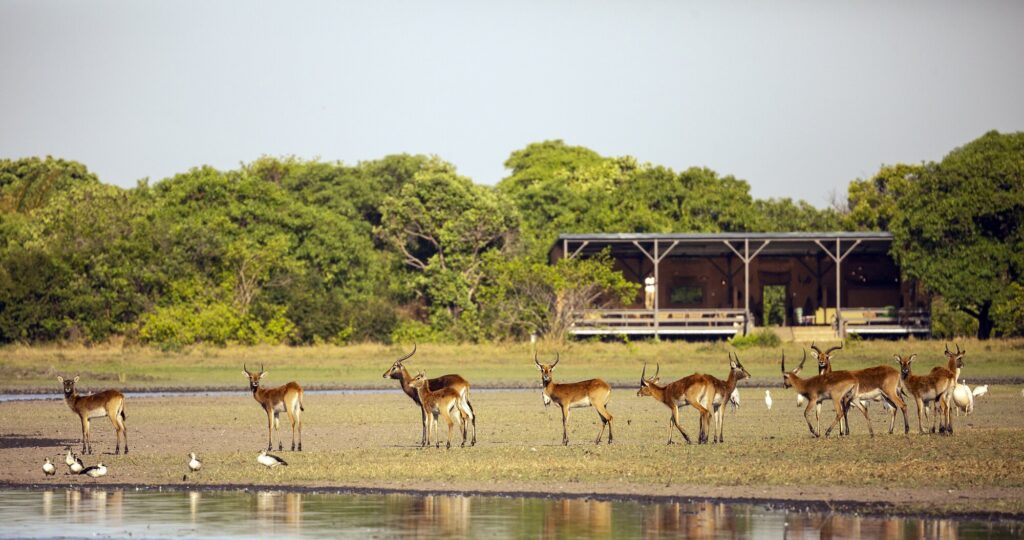
The Bangweulu Wetlands in northern Zambia remain one of Africa’s least-visited wilderness area. Their name translates roughly as ‘where water meets the sky’, an apt description for this immense landscape of floodplains, papyrus swamps and shallow lagoons.
Bangweulu is perhaps best known for one extraordinary resident: the shoebill. Standing over a metre tall with an enormous prehistoric-looking bill, this elusive bird is one of Africa’s most sought-after avian sightings. Early-morning expeditions through narrow papyrus channels offer the continent’s best chance of seeing one. There is sometimes the opportunity to visit the park’s marvellous research and incubation project too.
Yet Bangweulu’s appeal goes far beyond a single species. The wetlands support huge numbers of waterbirds, black lechwe antelope, which are found nowhere else, and remarkable seasonal movements of wildlife across the floodplains.
There is also a profound sense of remoteness here. Safaris in Bangweulu feel exploratory, the kind of place where the the atmosphere and the scale of the wetlands become as memorable as the wildlife itself.
Experience it for yourself: Stay at Shoebill Island Camp, one of the best bases for exploring Bangweulu’s remote wetlands and searching for the extraordinary shoebill by boat.
Walvis Bay Lagoon and Sandwich Harbour, Namibia
Where desert meets ocean
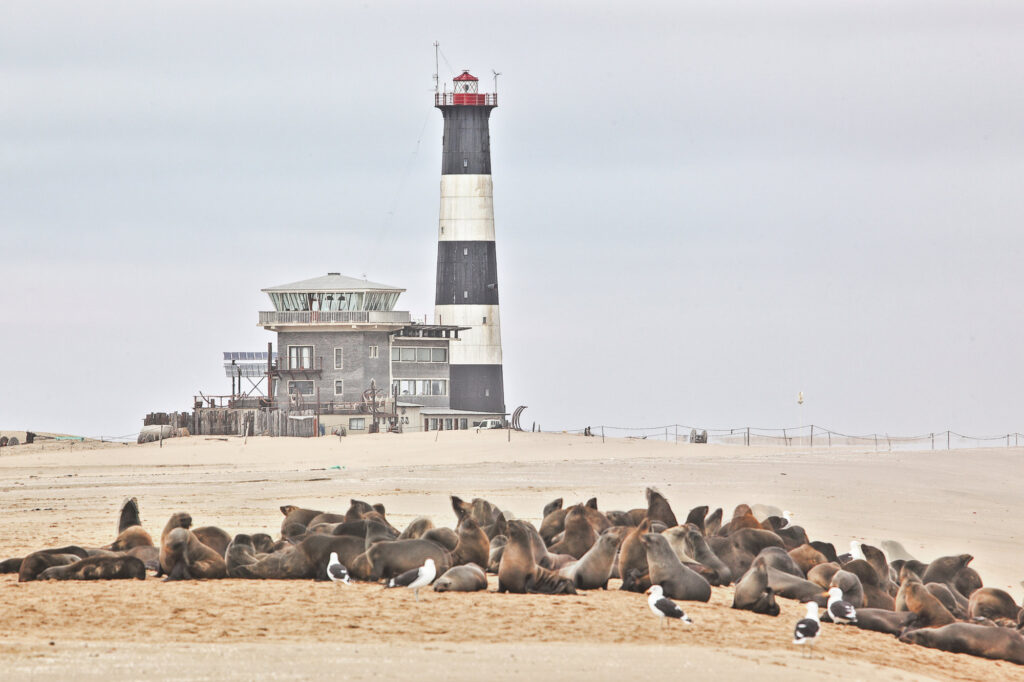
Namibia is rarely associated with wetlands, yet the coast near Walvis Bay contains one of southern Africa’s most important migratory bird sites.
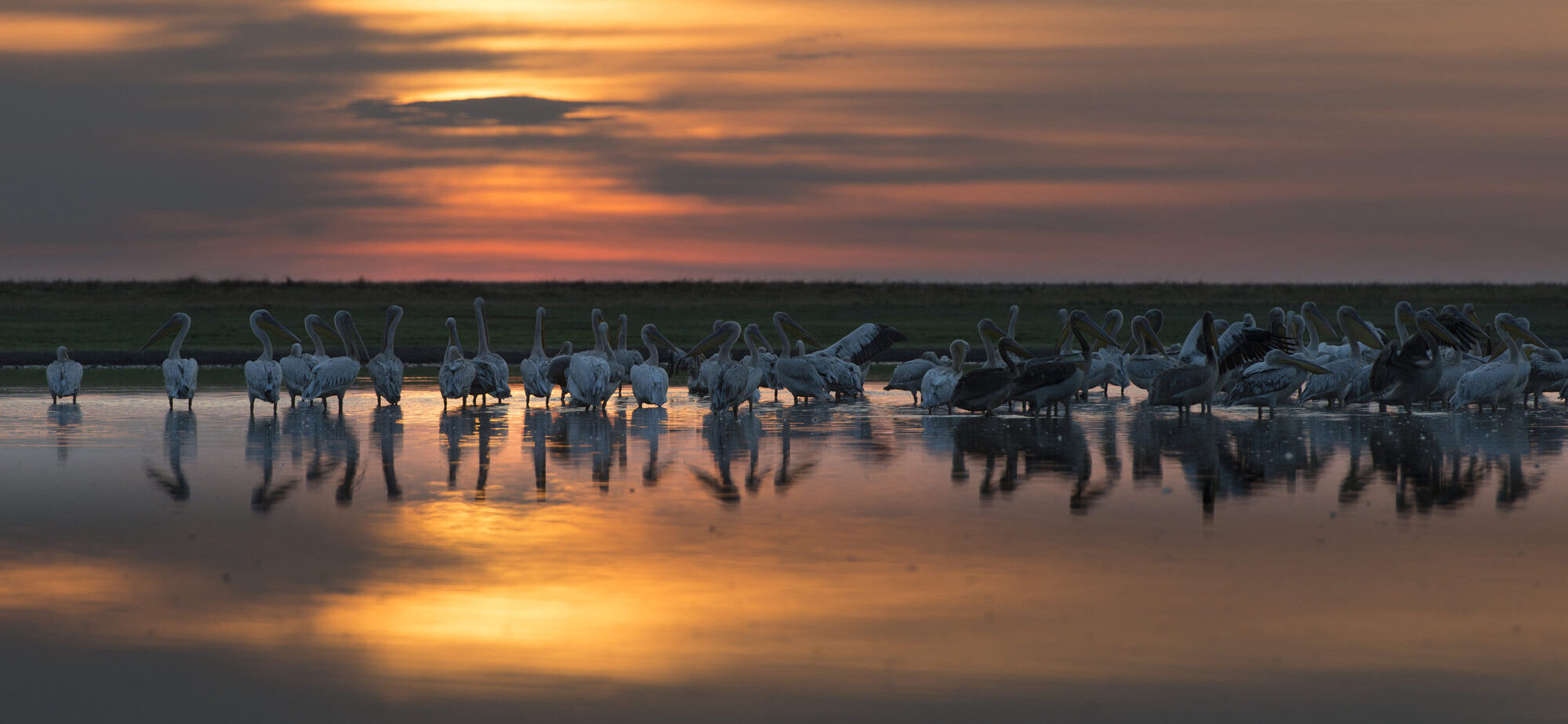
Fed by nutrient-rich Atlantic waters, Walvis Bay Lagoon attracts huge flocks of flamingos, pelicans and migratory shorebirds. Kayaking excursions here often bring visitors surprisingly close to Cape fur seals, dolphins and seabirds, with the vast Namib dunes rising in the distance.
Further south lies Sandwich Harbour, one of Namibia’s most dramatic landscapes. Here, towering dunes plunge directly into the Atlantic Ocean, creating a surreal meeting point between desert and sea.
Following good rains inland, the contrast becomes even more striking. Ephemeral rivers flow, desert vegetation briefly flourishes, and wildlife ventures into landscapes that can appear lifeless during drier years. The result is a Namibia transformed: greener, softer and full of unexpected life.
Experience it for yourself: Our fly-and-drive Namibia Highlights Safari is a brilliant way to experience Namibia’s changing landscapes, combining desert scenery, Atlantic coastlines and remarkable wildlife encounters.
Liuwa Plain National Park, Zambia
A royal safari on flooded grasslands
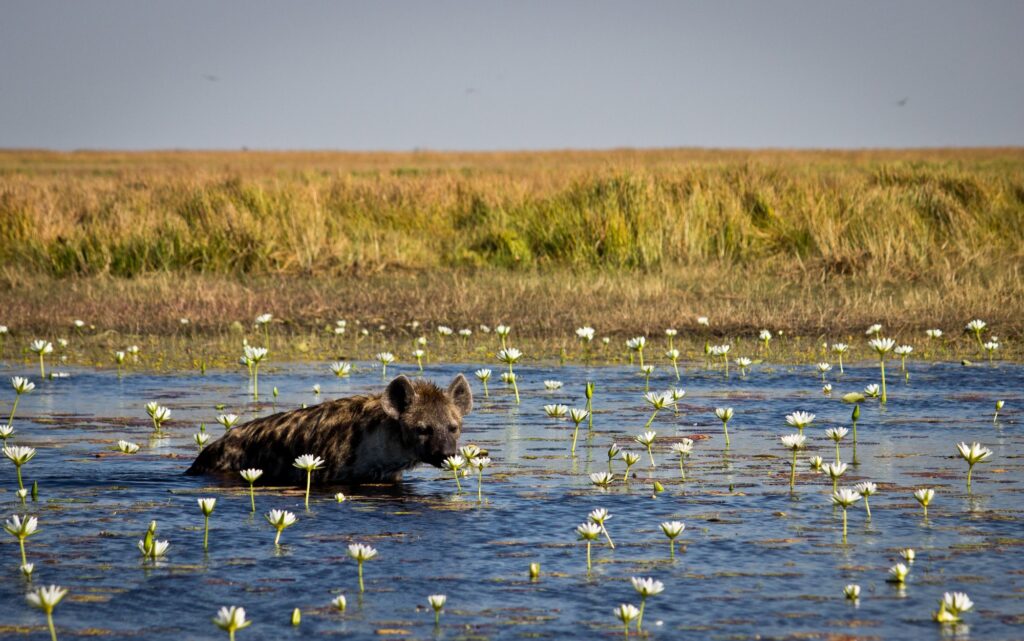
Remote and seasonal, Liuwa Plain National Park is one of Africa’s great hidden safari destinations.
Part of Zambia’s historic Barotseland region, Liuwa’s vast floodplains have long been shaped by the rhythms of water. For much of the year, seasonal floods spread across the grasslands, creating a shimmering landscape that attracts wildebeest, zebra and huge concentrations of birdlife.
Liuwa is perhaps most famous for its wildebeest migration – Africa’s second largest – yet the experience here feels utterly different from East Africa’s more famous migrations. Visitor numbers remain very low in Liuwa, giving the park a true sense of end-of-the-earth solitude and wilderness.
During the wet season, dramatic skies gather over the plains, crowned cranes move through shallow waters, and game drives become adventurous explorations across flooded terrain. Predators follow the herds, including the park’s growing population of hyenas and lions.
For travellers seeking a safari far from the usual routes, Liuwa offers something genuinely distinctive: a landscape ruled by rain, floodwater and vast horizons.
Experience it for yourself: Puku Safari explores some of Zambia’s wildest corners and can be tailored to include the remote plains and seasonal floodwaters of Liuwa.
De Hoop Nature Reserve, South Africa
Coastal wetlands and fynbos walks
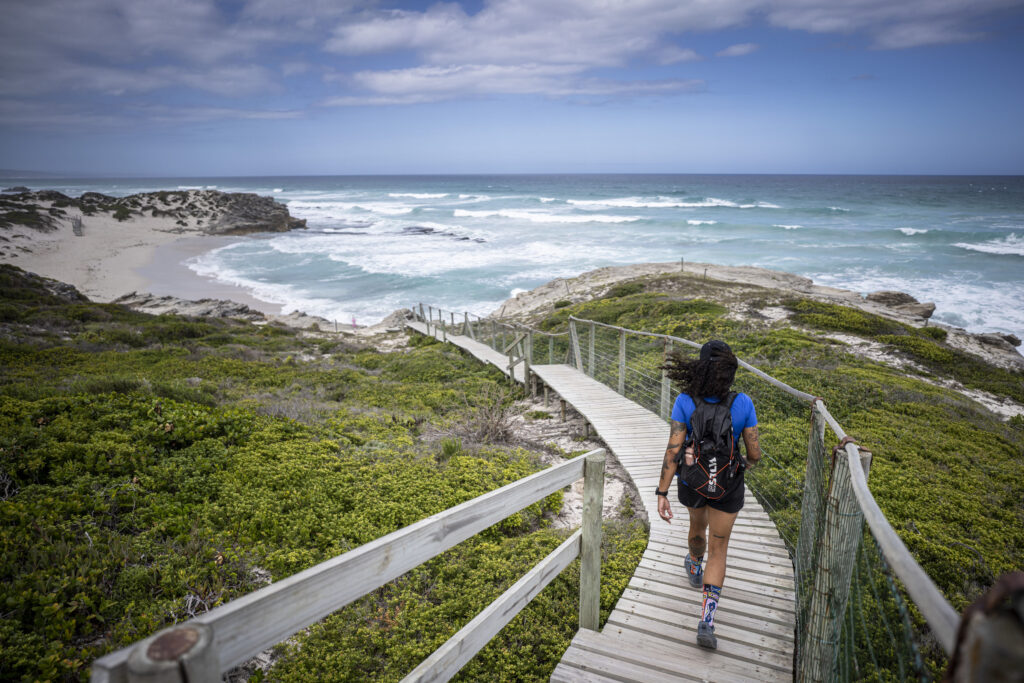
Not all wetland experiences involve traditional safaris.
South Africa’s De Hoop Nature Reserve protects an extraordinary mix of coastal dunes, wetlands, limestone hills and fynbos vegetation along the Western Cape coast. The reserve’s wetlands support abundant birdlife, while its walking trails offer a gentler way to experience the landscape.
This is a place best explored on foot. Self-guided walks wind through flowering fynbos, past quiet vlei wetlands and along sweeping beaches where southern right whales can often be seen offshore during the winter months.
After good rains, the reserve becomes especially beautiful. Seasonal pools fill, vegetation bursts into flower, and birdlife flourishes throughout the wetlands and coastal plains.
De Hoop offers a very different kind of African wilderness experience: diverse, gentle and very accessible.
Experience it for yourself: Bontebok Self-drive Safari is a relaxed journey through the Western Cape, with plenty of time to enjoy De Hoop’s wetlands, beaches and walking trails at your own pace.
Why wetlands matter
Wetlands are among the most productive ecosystems on Earth. They store water, sustain wildlife during dry seasons, support migratory birds and create refuges for countless species.
They are also constantly changing. Floods rise and recede, grasses regenerate, animals migrate, and entire landscapes transform with the seasons.
For travellers, that dynamism is part of the appeal. Wetland safaris often feel more immersive and unpredictable than traditional game viewing: slower paced, more atmospheric, and deeply connected to the rhythms of water and weather.
This year’s exceptional rains across southern Africa have only heightened that sense of transformation — making this a particularly exciting time to experience many of Africa’s great wetlands at their fullest and most vibrant.