
Conservation has always depended on understanding what lives in a landscape. Traditionally, that has meant spending countless hours tracking animals, checking camera traps or surveying forests, waterways and plains on foot and by air.
Today, scientists have another way of reading the natural world – by analysing the tiny traces of DNA that animals leave behind.
Known as environmental DNA, or eDNA, the sampling of this is opening up exciting new possibilities for monitoring biodiversity, and Rwanda is among the first countries in Africa to begin applying it in one of its most important protected areas.
What is environmental DNA?
Every living creature constantly sheds genetic material into its surroundings. Skin cells, hair, saliva, mucus and waste all contain DNA, and these microscopic traces can remain in soil or water long after an animal has passed through.
By collecting samples from rivers, streams or soil and analysing the DNA they contain, scientists can identify which species have recently been present, without needing to see, hear or capture a single animal.
Unlike traditional surveys, a single environmental sample can reveal evidence of many different species at once, providing a broader picture of an ecosystem.
Bringing eDNA to Volcanoes National Park
This innovative approach is now being introduced in Rwanda’s Volcanoes National Park through a collaboration between the African Wildlife Foundation (AWF), the Rwanda Development Board (RDB) and the Dian Fossey Gorilla Fund.
The project is designed to complement, not replace, the extensive field monitoring already carried out by long-term conservationists working in the park.
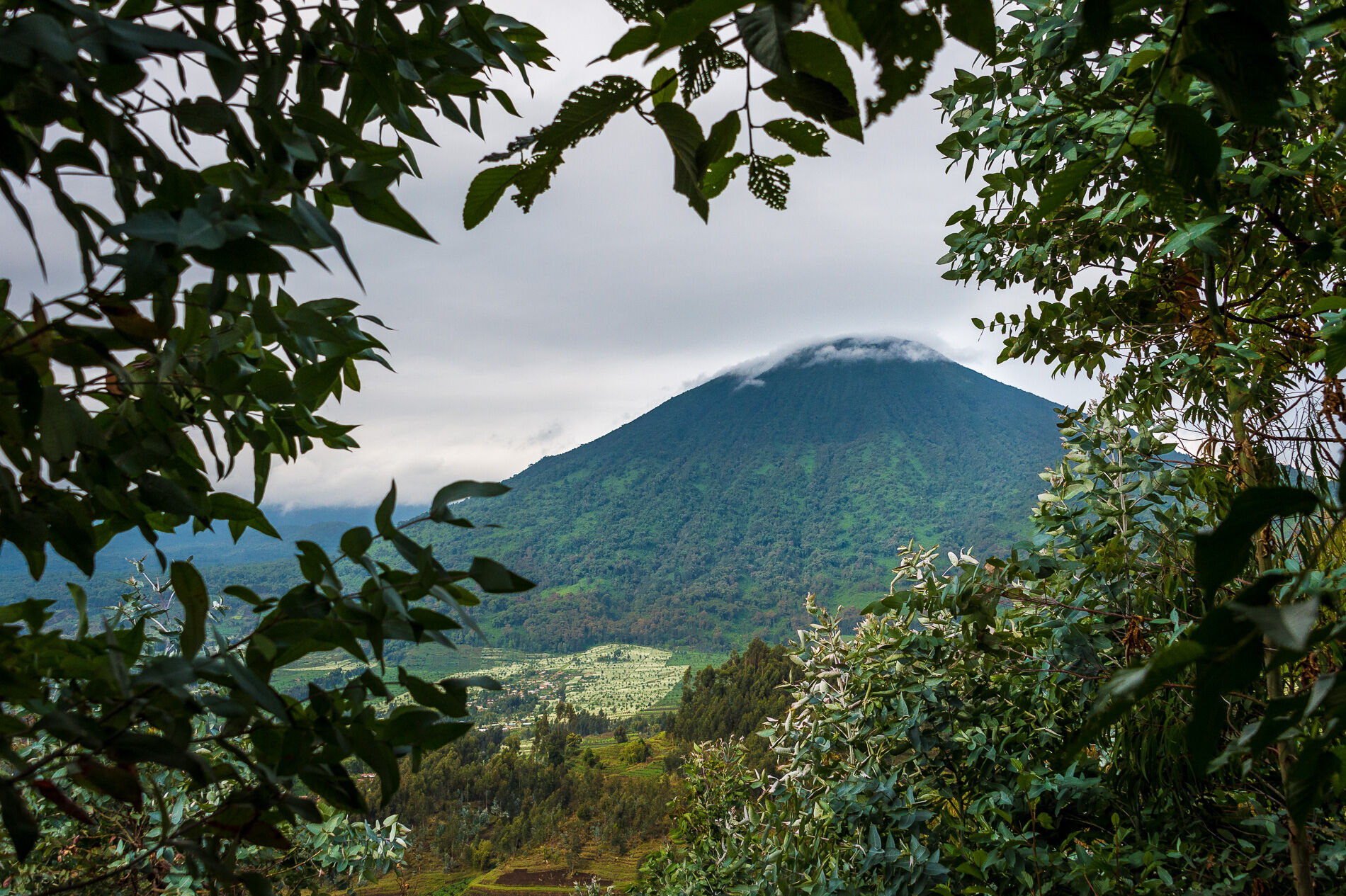
Volcanoes National Park is world-famous for its mountain gorillas, but it is also home to golden monkeys, hundreds of bird species and a remarkable diversity of plants, insects and other wildlife. Monitoring such a complex ecosystem is a continual challenge, particularly in dense montane forest where access is difficult and many species are difficult to observe directly.
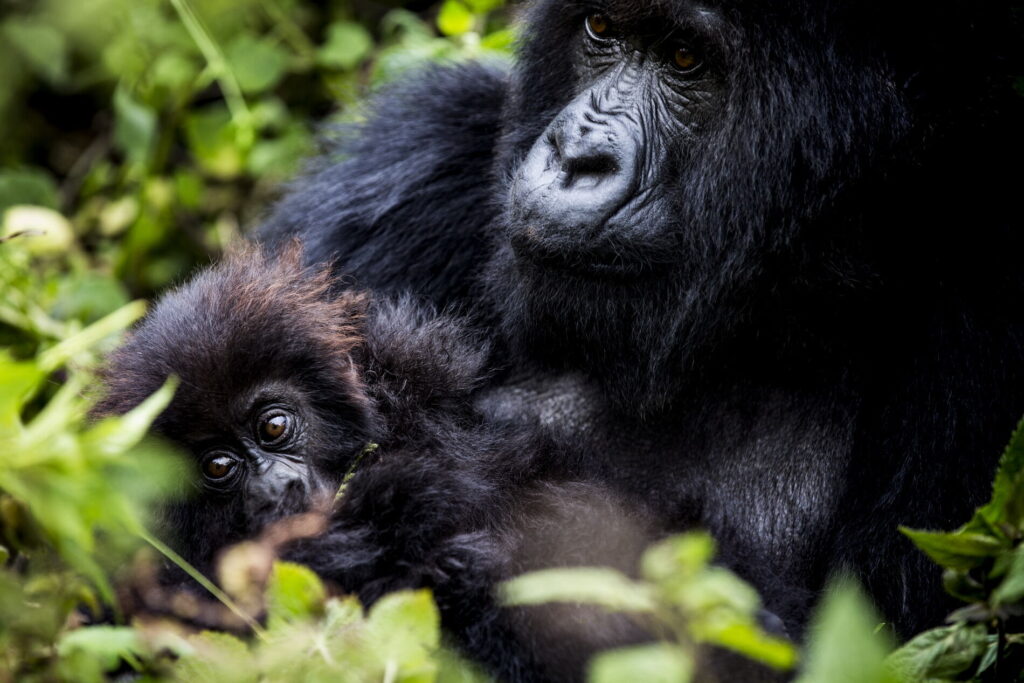
Environmental DNA offers researchers another source of information, helping them build a more complete picture of biodiversity in Volcanoes National Park.
As the project develops, it could help them monitor the national park more efficiently, detect early signs of ecosystem stress and make better-informed decisions about protecting one of Africa’s most important ecosystems.
Why it matters
Conservation is about far more than protecting individual species. Healthy ecosystems depend on thousands of different plants and animals, many of which are rarely seen but play vital ecological roles.
Because looking at eDNA can detect multiple species from a single sample, it has the potential to make biodiversity monitoring faster, less invasive and more comprehensive than traditional surveys alone.
Over time, this could help scientists detect changes in ecosystems earlier, monitor habitat restoration projects and better understand how wildlife responds to pressures such as climate change or human activity.
Supporting, not replacing, field science
It’s tempting to think of new technologies as replacing people or existing methods, but that isn’t how conservation works.
Mountain gorillas in Volcanoes National Park will continue to be monitored by highly trained researchers and trackers whose long-term observations remain essential to understanding behaviour, health and population dynamics.
eDNA sampling provides another layer of evidence. Combined with traditional field surveys, camera traps and ecological monitoring, it can help scientists answer questions that would otherwise be difficult or impossible to investigate.
That’s why conservation organisations see sampling eDNA not as a replacement for fieldwork, but as a powerful addition to an already sophisticated scientific toolkit. Used alongside traditional field expertise, it has the potential to become an invaluable tool for safeguarding Africa’s natural heritage for generations to come.