
Some of the most memorable wildlife experiences are shaped not just by where you go, but by when you go.
As the seasons shift, animals respond – moving, gathering, breeding or dispersing in response to changes in rain, temperature and food availability. These patterns repeat year after year.
Here are some of our favourite examples of wildlife synchronised with the seasons, and how understanding these rhythms might influence when you decide to travel.
Serengeti calving season – Tanzania (Jan–Mar)
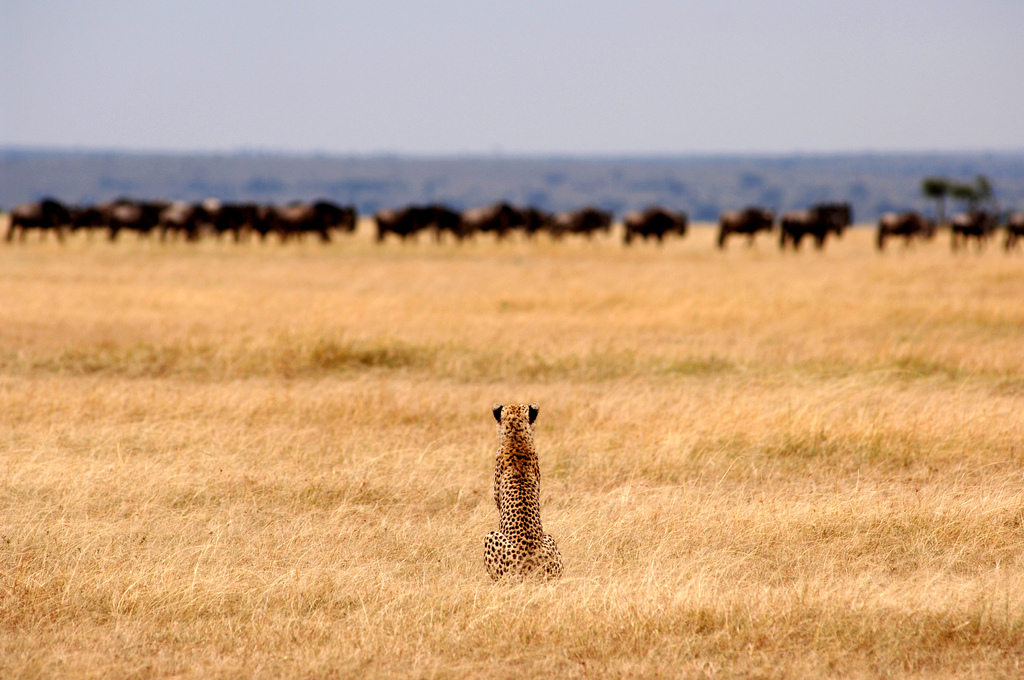
After the short rains, the southern Serengeti becomes a wide, open expanse of green plains stretching as far as the eye can see. Here, wildebeest gather in huge numbers to give birth. Within a few short weeks, hundreds of thousands of calves are born. The plains feel alive with movement: newborns taking their first steps, predators never far away, and herds shifting noisily across the landscape.
Great Migration river crossings – Kenya & Tanzania (Jul–Oct)
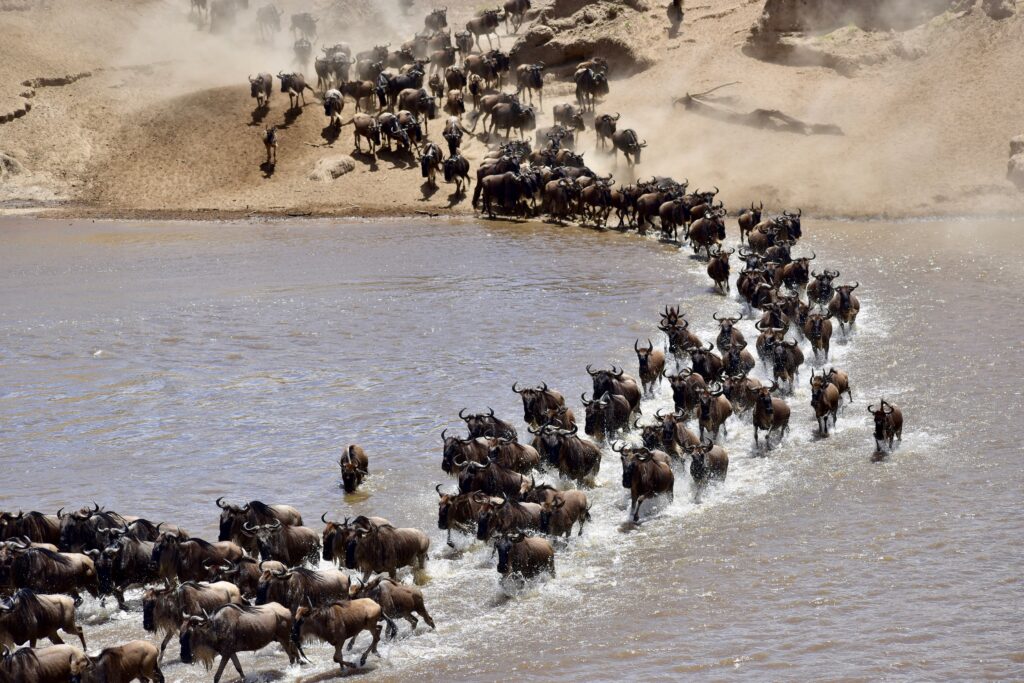
As the seasons shift, the great herds of wildebeest and zebra move northwards, seeking out fresh grazing. When they reach the Mara River, the journey becomes more uncertain. Wildebeest bunch along the banks, hesitating, before suddenly surging forward. Crossings, filled with danger from awaiting crocodiles, are chaotic, dramatic and unpredictable, and when you witness one, it’s hard not to feel the raw intensity of the moment.
Kasanka fruit bat migration – Zambia (Oct–Dec)
In a small patch of evergreen forest in Kasanka National Park, something extraordinary happens each year. With the first rains, fruiting trees (do we know the tree species?) begin to ripen, and within weeks, millions of fruit bats arrive from across central Africa. By day, they hang in dense clusters in the trees; by dusk, they lift into the sky in vast, swirling clouds. Standing beneath them as they stream overhead, with the sound of wings filling the air, is one of Africa’s most atmospheric wildlife moments.
Botswana zebra migration – Botswana (Nov–Mar)
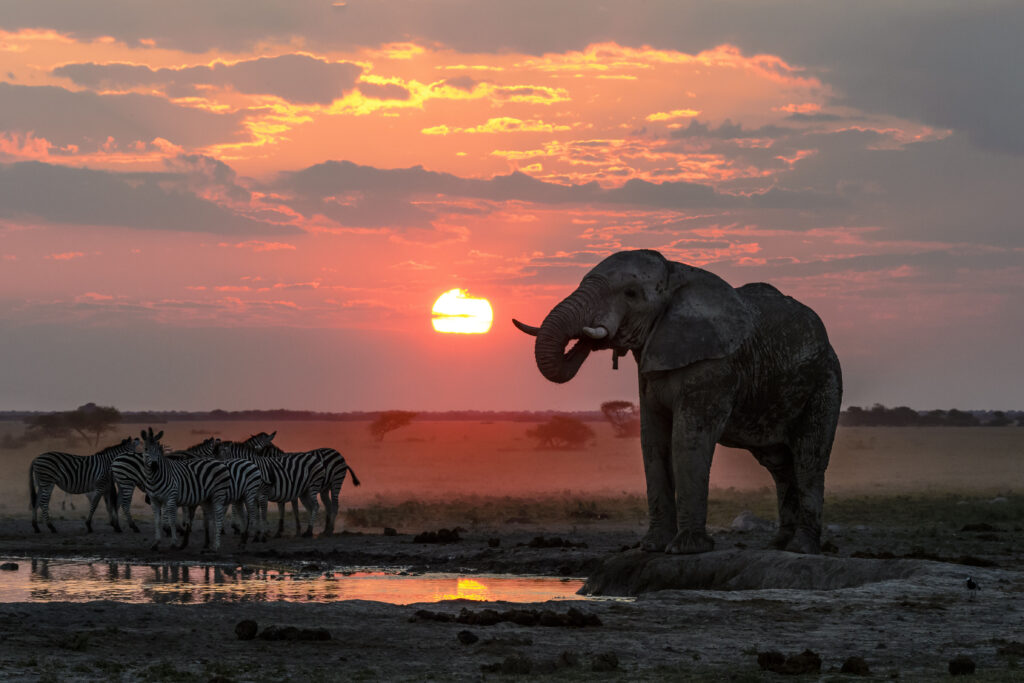
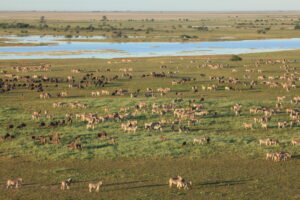
With the arrival of the rains, zebra begin to move across northern Botswana towards the Makgadikgadi and Nxai Pan. What can feel like vast, empty space transforms into something far more dynamic, as herds spread across fresh grasslands under wide skies. It’s a quieter migration than the Serengeti, but spectacularly beautiful.
Liuwa Plain wildebeest migration – Zambia (Nov–May)
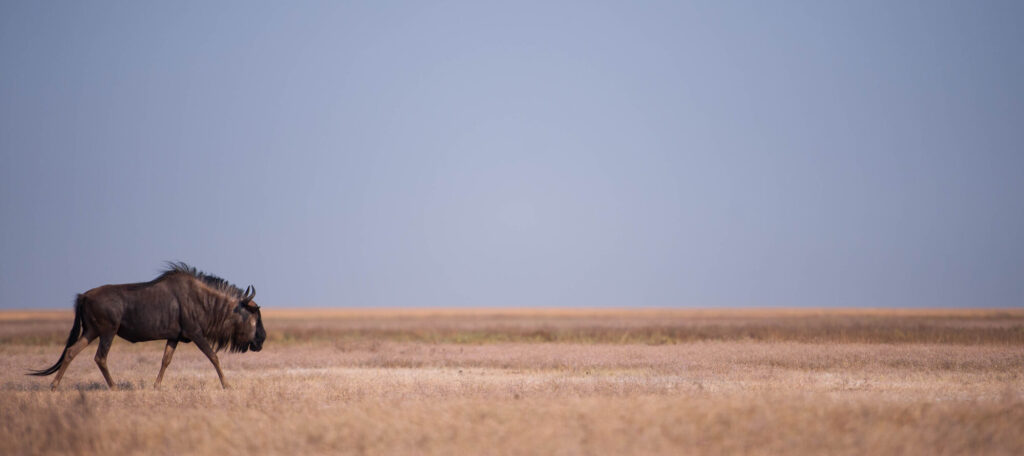
© Liuwa Plains Mobile Safari Camp
Liuwa Plain, in north-west Zambia, is one of Africa’s most remote and least-visited wilderness areas. When the rains arrive, the grasslands turn green and are often dotted with seasonal wildflowers. Wildebeest move across this vast, open landscape beneath big skies and building storm clouds. With so few people here, it has an end-of-Earth, elemental feel, and wildlife encounters are often solitary and spectacular.
Tarangire dry-season concentrations – Tanzania (Jun–Oct)
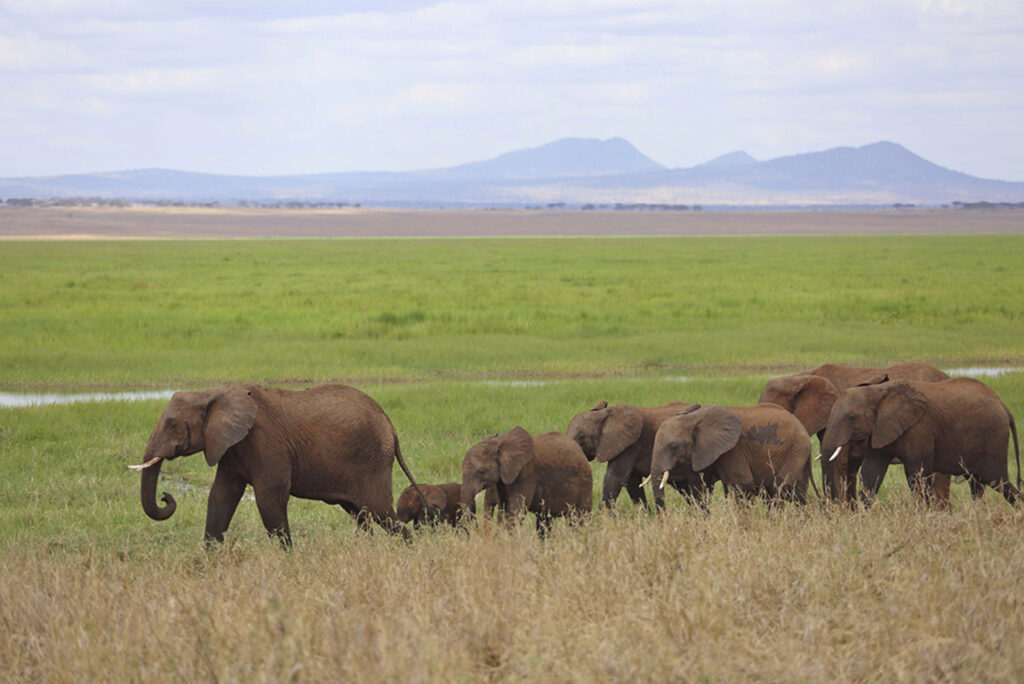
As the dry season takes hold, much of the surrounding landscape begins to empty of water. In Tarangire, however, wildlife gathers along the river, which continues to flow. Elephant herds move steadily through the area, often in large family groups, while other species cluster along the water’s edge. The contrast between dry bush and the life along the river makes this a particularly rewarding time to visit.
Elephant concentrations on the Chobe River – Botswana (Jun–Oct)
Along the Chobe River, the dry season brings together some of Africa’s largest concentrations of elephants. In the late afternoon, herds gather along the banks – drinking, bathing and interacting – before some move into the water, crossing channels or simply cooling off. From a safari boat, drifting quietly along the river, these encounters are especially wonderful to witness.
Etosha waterhole season – Namibia (Jun–Oct)
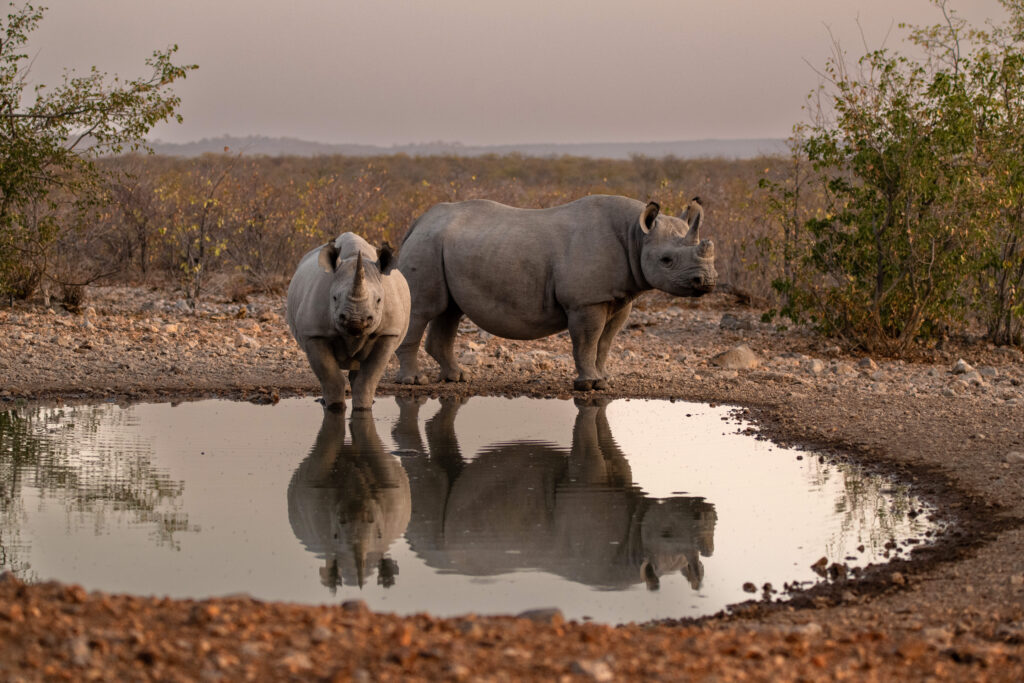
Etosha’s vast salt pans and open plains are stark, until you reach water. And as the dry season progresses, and surface water disappears elsewhere, wildlife gathers in great numbers at permanent waterholes. Here, elephant, giraffe, zebra, lion and rhino may appear within a single view, moving in and out of the scene.
Carmine bee-eaters – Zambia (Sept–Nov)
As river levels drop along the sinuous Luangwa River, high, sandy banks are exposed – ideal nesting sites for beautiful carmine bee-eaters. Thousands arrive from September, their vivid red and turquoise colours standing out against the earth and sky for magical photographs. The air is alive as they dart back and forth along the riverbank, constantly calling and feeding. A spectacle that is captivating whether you’re a keen birdwatcher or not.
Whale sharks in Mafia Island – Tanzania (Oct–Mar)
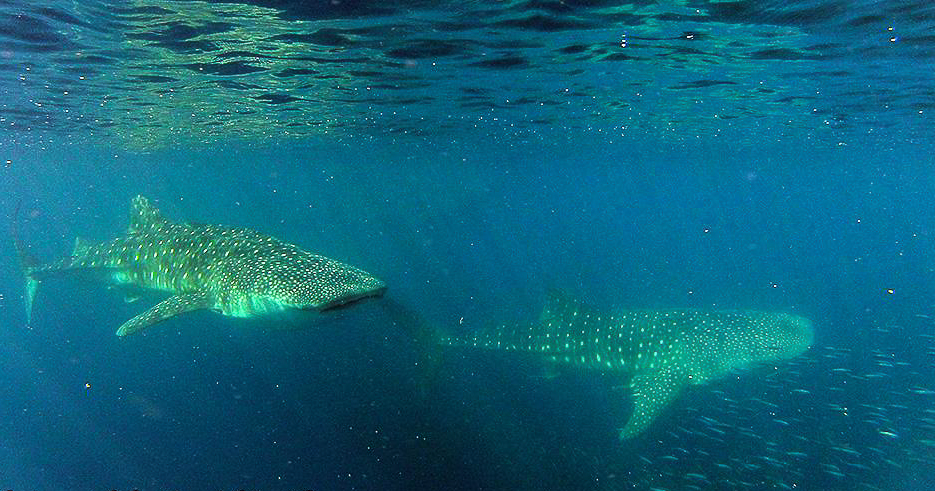
Off the coast of Mafia Island, warm, clear waters and seasonal plankton blooms attract whale sharks close to shore. Swimming or snorkelling alongside them, you become aware of their sheer size as they move just beneath the surface, often feeding with their broad mouths open.
Encounters are accessible, reached by small boats from shore, and unfold at a gentle pace. It’s a very different kind of wildlife experience: quiet, immersive, and slightly surreal.
Turtle nesting – Bazaruto Archipelago, Mozambique (Nov–Feb)
On some of the islands within the Bazaruto Archipelago, turtles are known to come ashore during the summer months to nest. While sightings are never guaranteed, some lodges can arrange guided walks where, with the right timing, it is possible to witness this remarkable life cycle. It is also possible to see turtles whilst diving in this area, with five regional turtle species present within the marine park.
Cichlid breeding – Lake Malawi (Sept onwards)
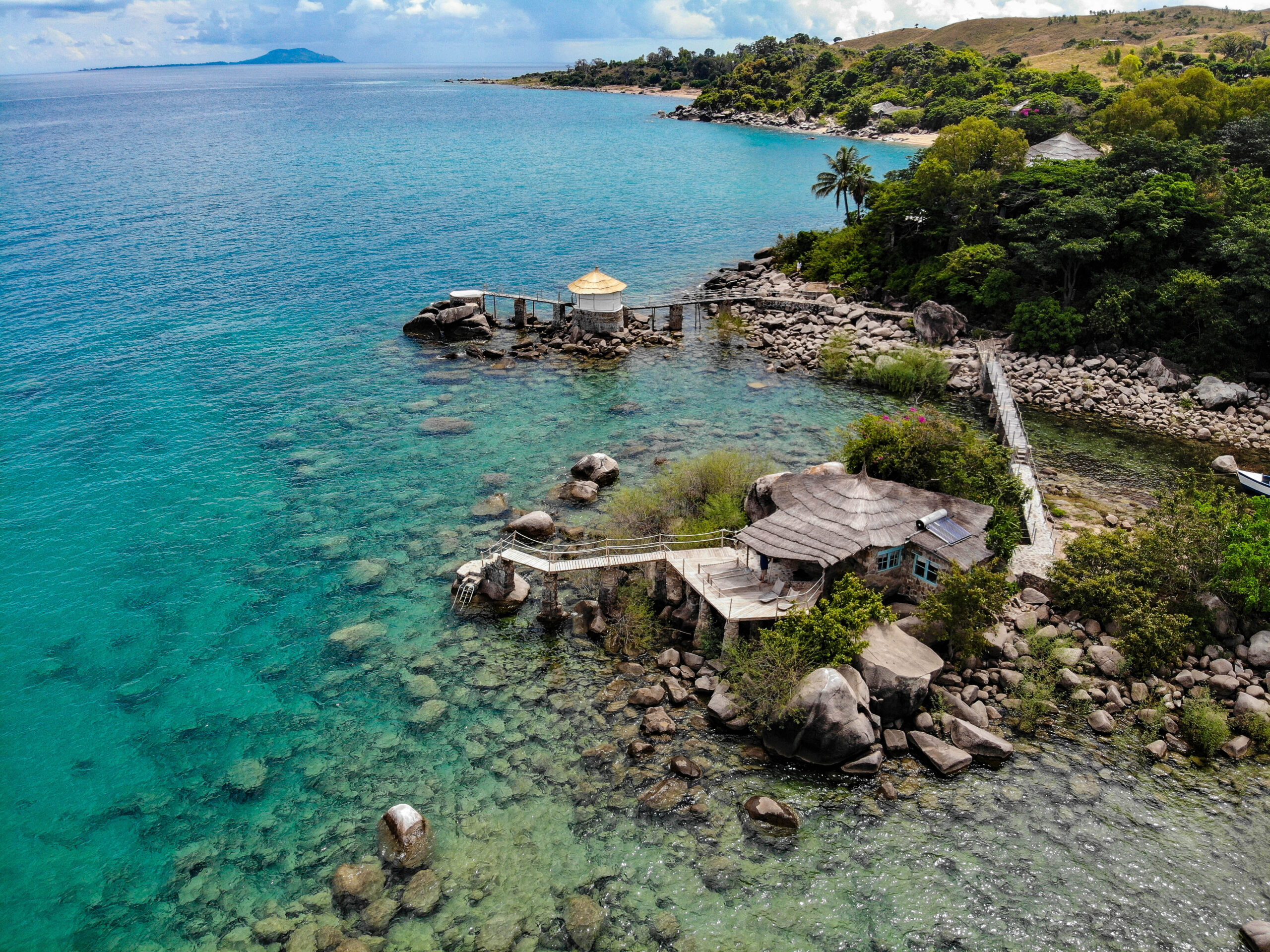
A fantastic alternative to the beach after safari, Lake Malawi’s clear waters are home to an extraordinary diversity of colourful cichlid fish. As temperatures rise, many species begin breeding.
Curiously, many species are mouthbrooders, with females carrying eggs – and later fry – in their mouths for protection, adding another layer of interest for those exploring beneath the surface. For snorkellers and divers, it’s an engaging experience, often just a short swim from shore, and a very different way to encounter Africa’s wildlife.
Big cats before the storm – Africa-wide
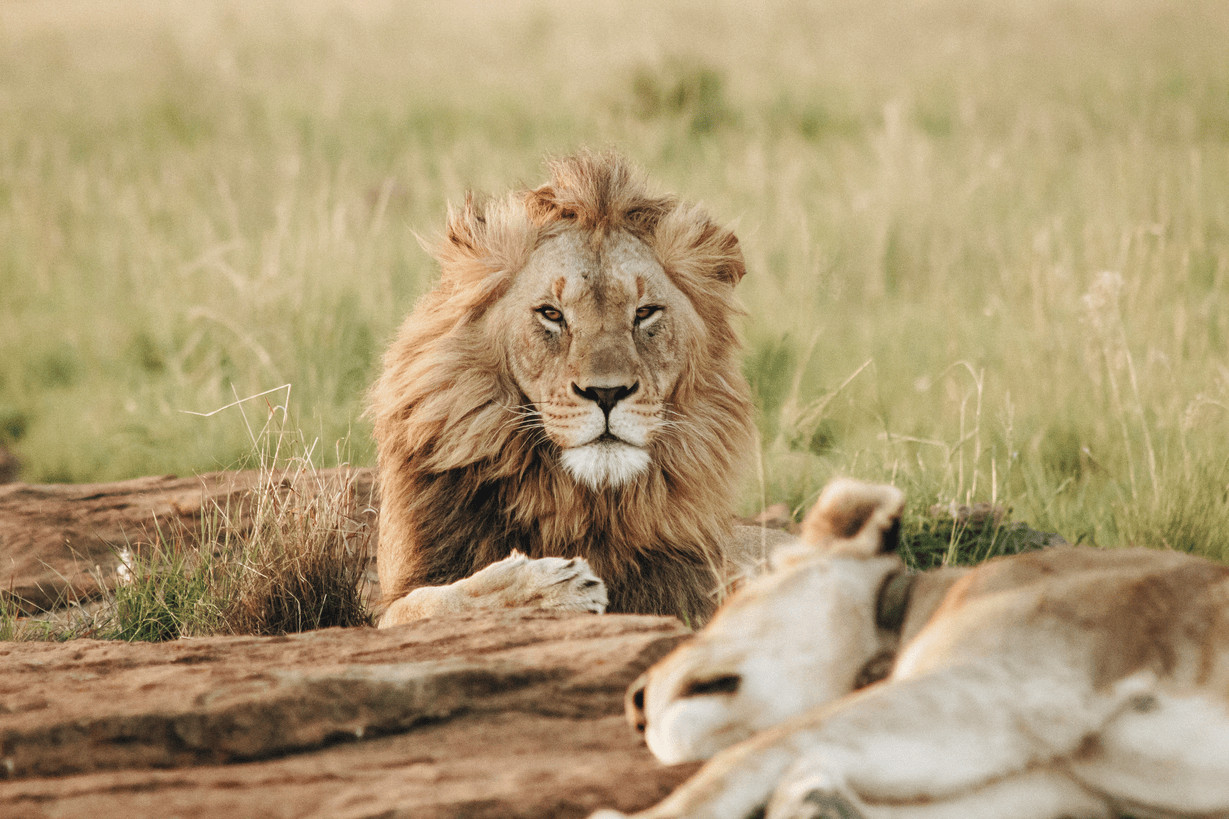
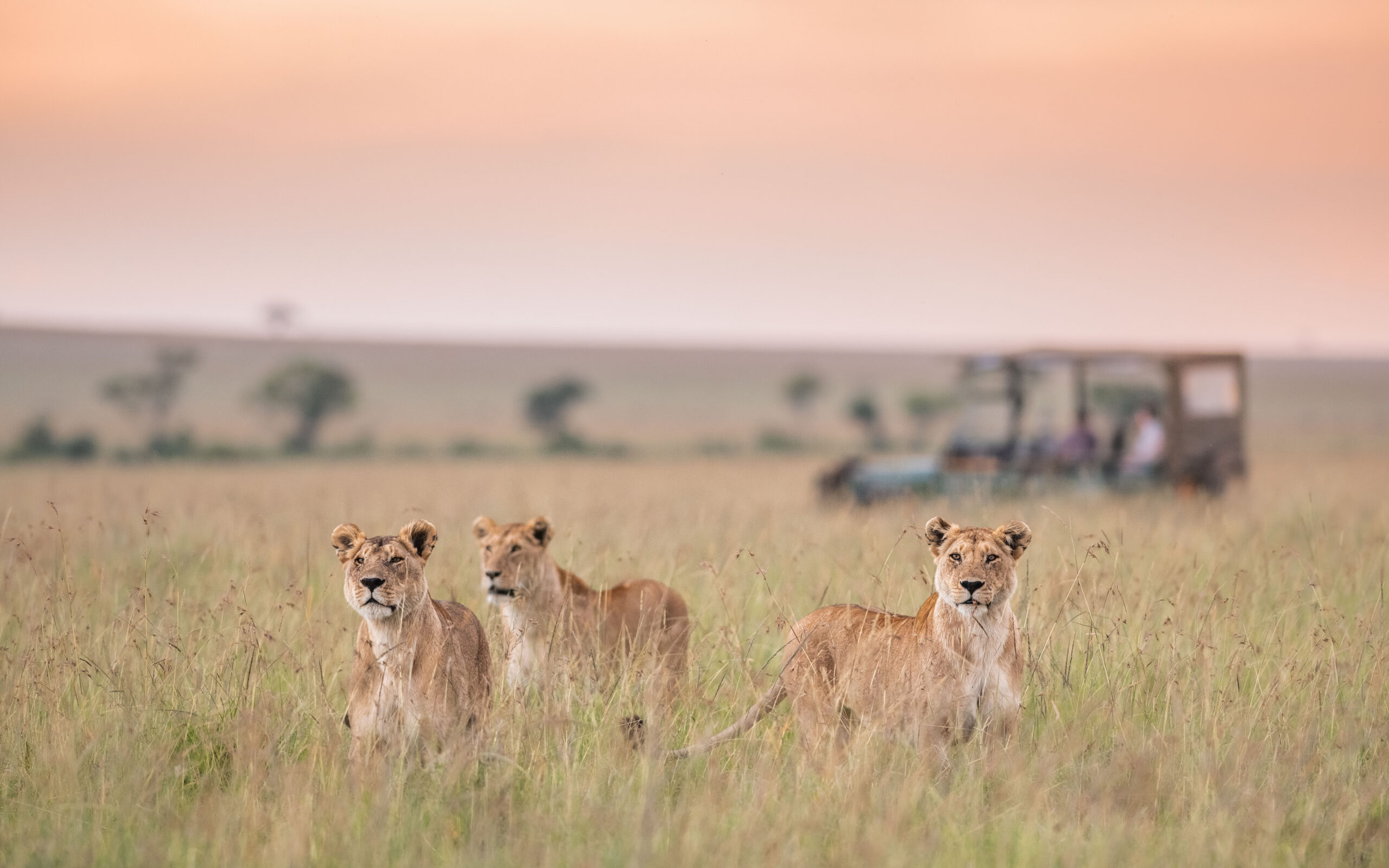
As storms build, the atmosphere in the bush can feel charged. Changes in pressure and humidity affect how sound travels, and lions in particular may become more vocal. Their roars carry further in the heavy air, adding a sense of great anticipation before the rains arrive. So listen closely.
To talk to us about your tailor-made African safari, call us on 0203 405 6666.