
Fire clears old growth. Floodwaters spread across plains. Rains arrive after months of dryness. These moments are dramatic, and very often the starting point for renewal.
These are some of the clearest examples of how these natural ‘reset’ events shape wilderness landscapes across Africa, and why they can be some of the most rewarding times to visit. What may first appear as destruction is often the beginning of something extraordinary. And for those who understand the timing, they offer a chance to witness these landscapes at their most dynamic, and to see how life returns, often more vibrantly than before.
Fynbos after fire – Western Cape, South Africa
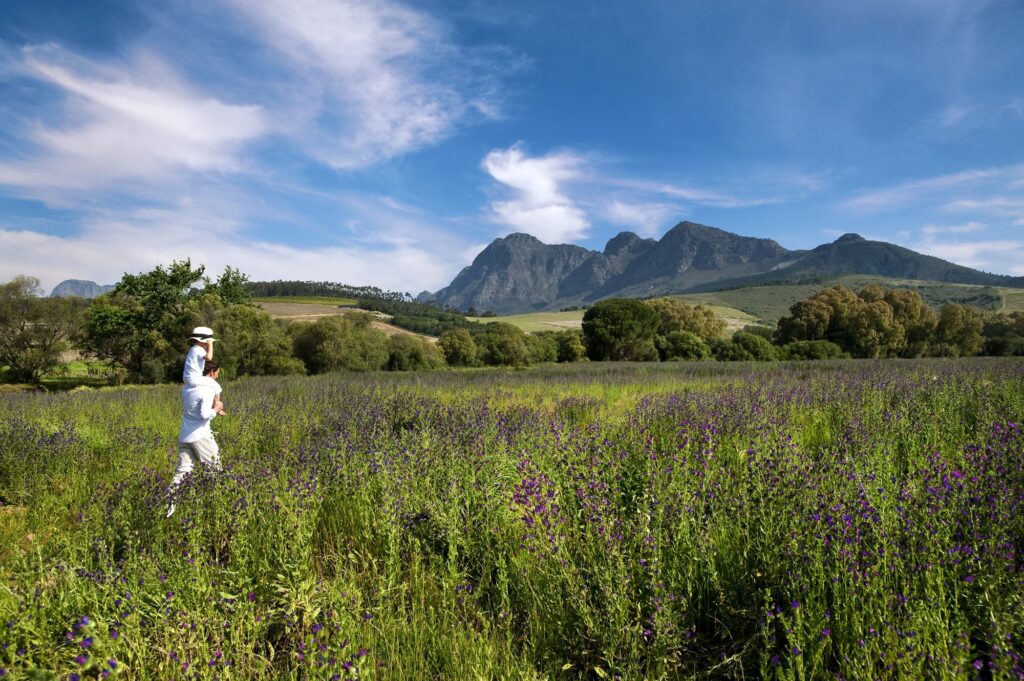
The fynbos ecosystem depends on fire to survive. When a burn passes through, it clears old growth and resets the landscape. Within months, fresh shoots begin to appear, and in the seasons that follow, hillsides can erupt into colour as proteas, ericas and restios return in force. What first looks stark and blackened soon gives way to extraordinary colour, creating one of the richest floral displays on earth.
Namib Desert after rains – Namibia
Rain in the Namib is rare, but when it does fall, the change can feel immediate. Grasses and small flowers emerge across the sand, softening the stark desert, while normally dry river systems begin to flow again. In places like Damaraland, these ephemeral changes replenish underground aquifers which support desert-adapted wildlife such as elephant and giraffe, as they move along these lifelines. It’s a fleeting transformation, but a striking one.
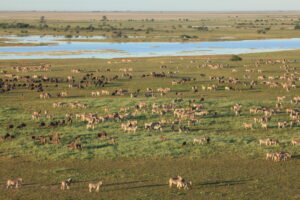
Okavango flood cycle – Botswana (June-July arrival)
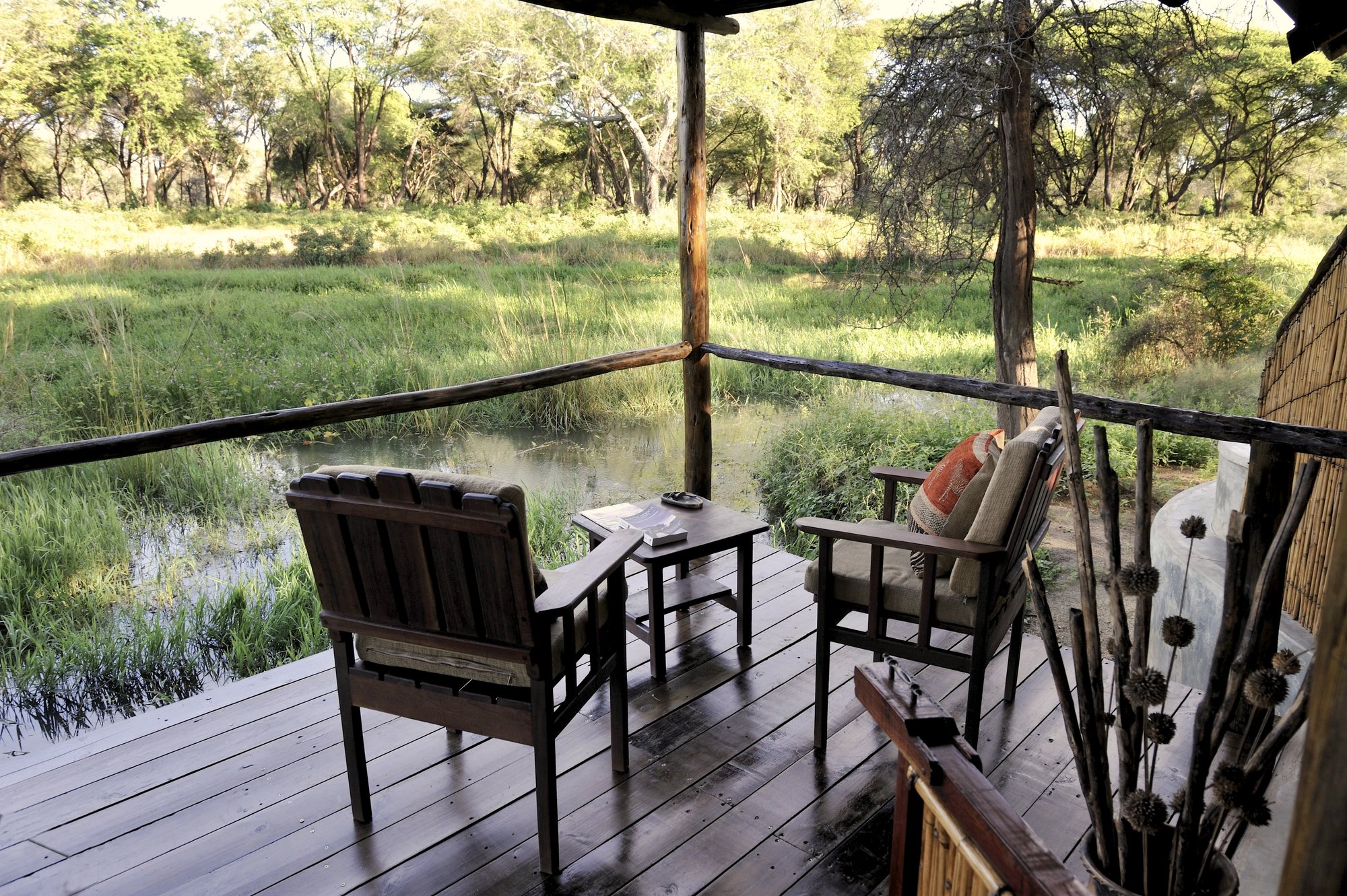
Each year, floodwaters from the Angolan highlands spread slowly into the Okavango Delta, arriving around the start of the dry season – boosting the water from rainfall in the previous few months. Channels fill, lagoons expand and dry land becomes a network of waterways. As the water rises, wildlife is drawn in from surrounding areas, and the delta comes alive with movement. This annual flood underpins the entire Okavango ecosystem.
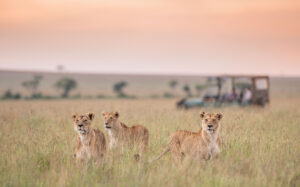
Controlled burning – Serengeti & Maasai Mara
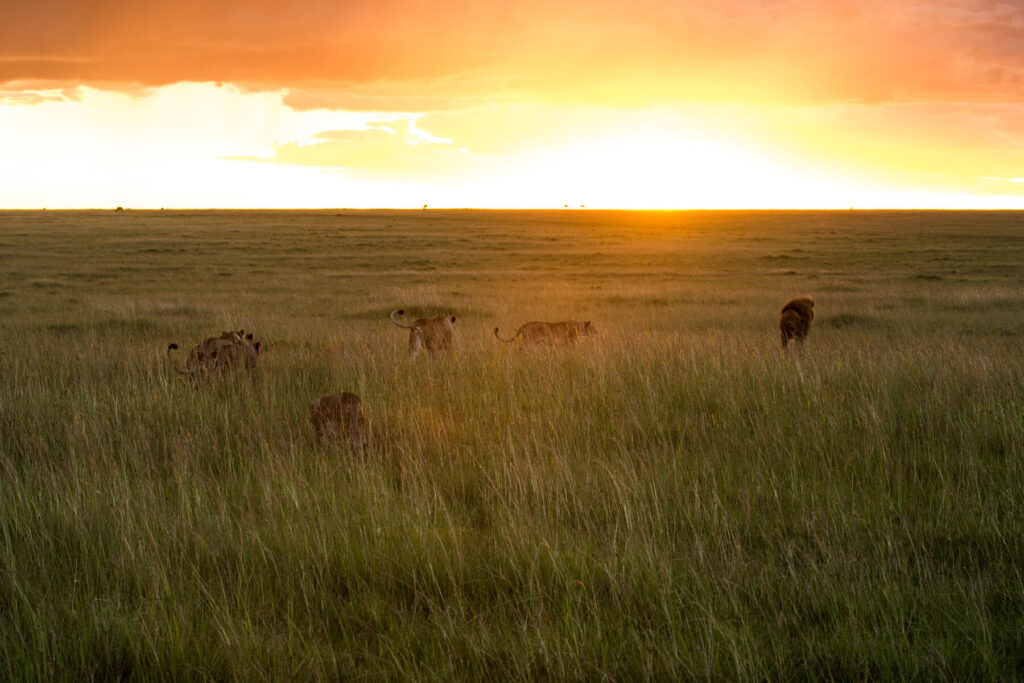
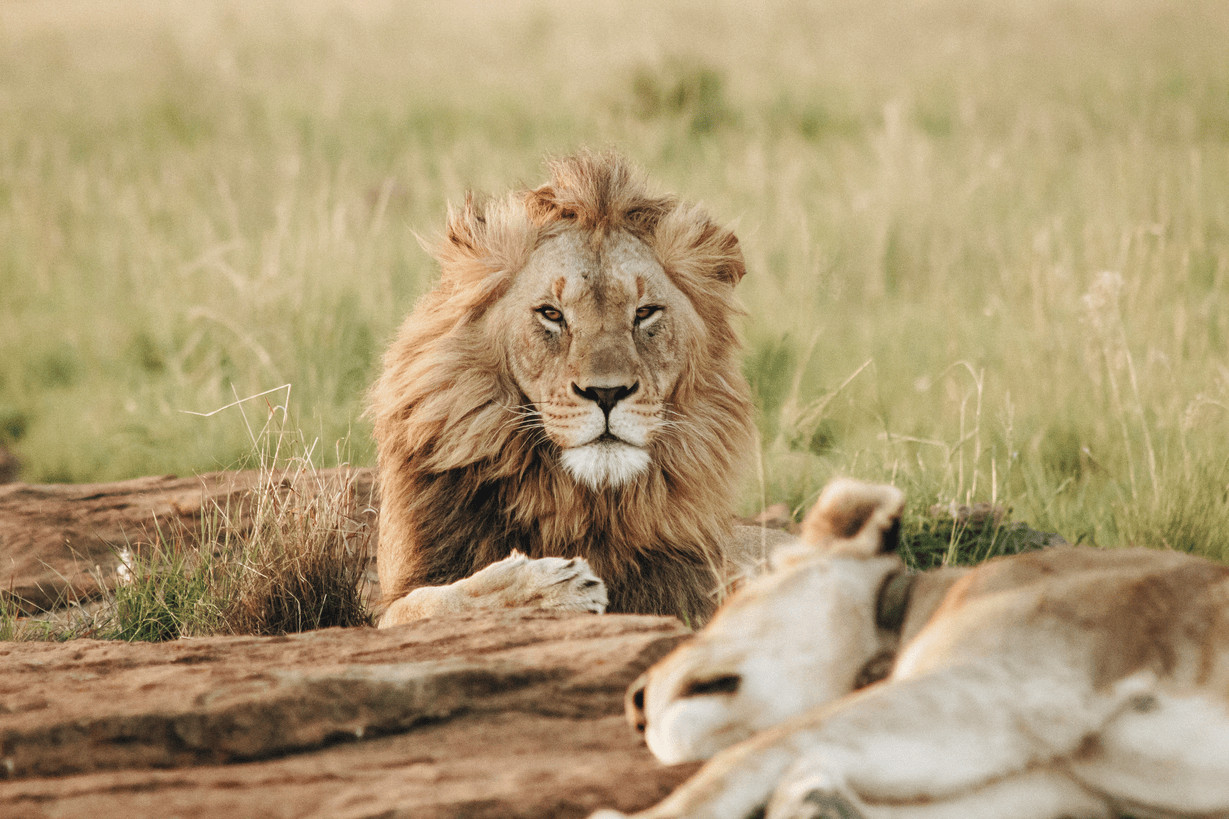
In parts of the Serengeti and Maasai Mara, controlled burns, designed to mimic nature, are used to manage vegetation and reduce the risk of larger wildfires. These seasonal fires clear old grasses and open up space to encourage fresh grass growth. Within a short time, fresh green shoots appear, attracting herbivores into recently burned areas, and inevitably the predators that follow.
Pre-rain flowering – Southern & East Africa (Sep-Oct)
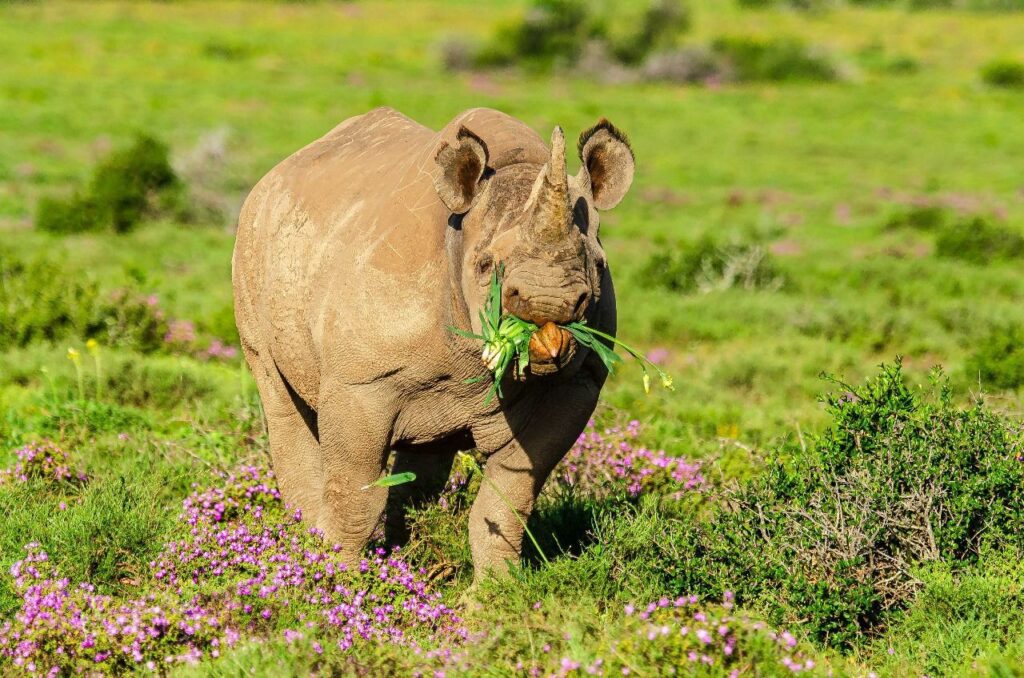
© Kwandwe Great Fish River Lodge
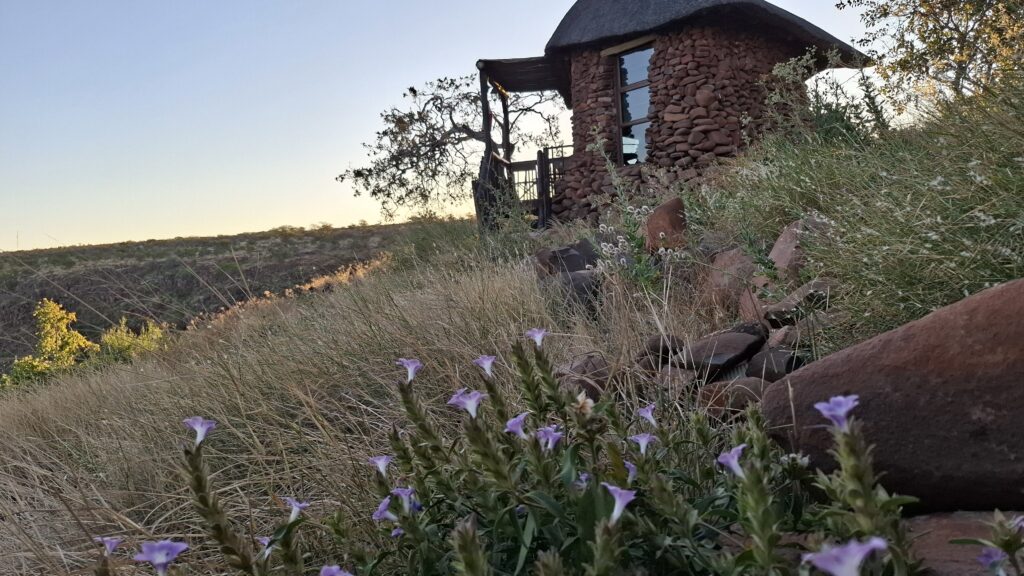
Just before the rains arrive, many trees respond to subtle shifts in temperature and moisture. Acacias, sausage trees and flame creepers can burst into flower, even while the surrounding landscape remains dry and dusty. This early flush of growth is more than visual. It signals the beginning of a wider seasonal shift, attracting insects, birds and browsers, and setting in motion the changes that will soon transform the landscape more fully.
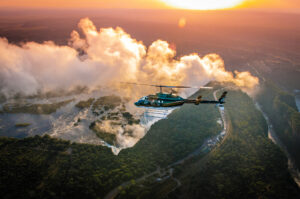
Barotse floodplain cycles – Zambia
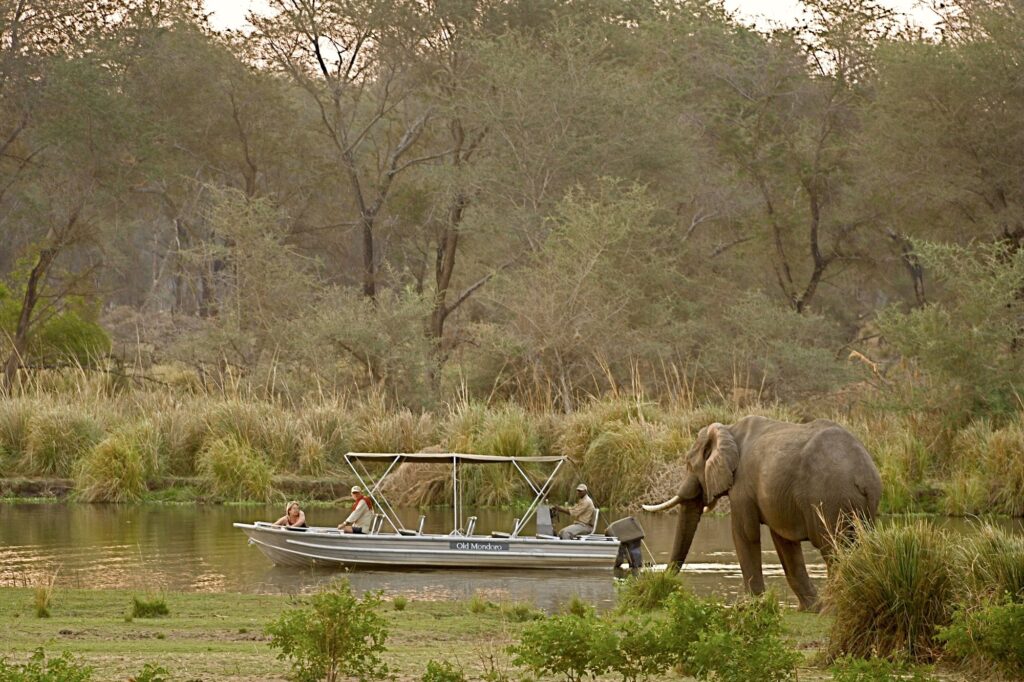
Each year, the Zambezi spreads out across the Barotse floodplain in north-west Zambia, covering vast areas of land. At peak flood (typically March-May), villages and grasslands become temporarily inundated, prompting the flamboyant Kuomboka ceremony, when the Lozi king symbolically moves to higher ground.
As the waters recede, they leave behind fertile soils and fresh grazing, supporting both wildlife and local communities. What begins as flood becomes renewal: a cycle that has shaped this landscape for generations.
To talk to us about your tailor-made African safari, call us on 0203 405 6666.