
One of the most common questions we’re asked is: when is the best time to go on safari?
The honest answer is that there isn’t one. Instead, there are moments, often quite specific, when a particular place reveals a completely different side of itself, that makes it especially magical.
Across Africa, entire landscapes are shaped by seasonal cycles. What you experience can change dramatically depending on when you visit.
Here are some of our favourite places where timing defines a trip:
Sossusvlei after rain – Namibia (Feb-April, some years)
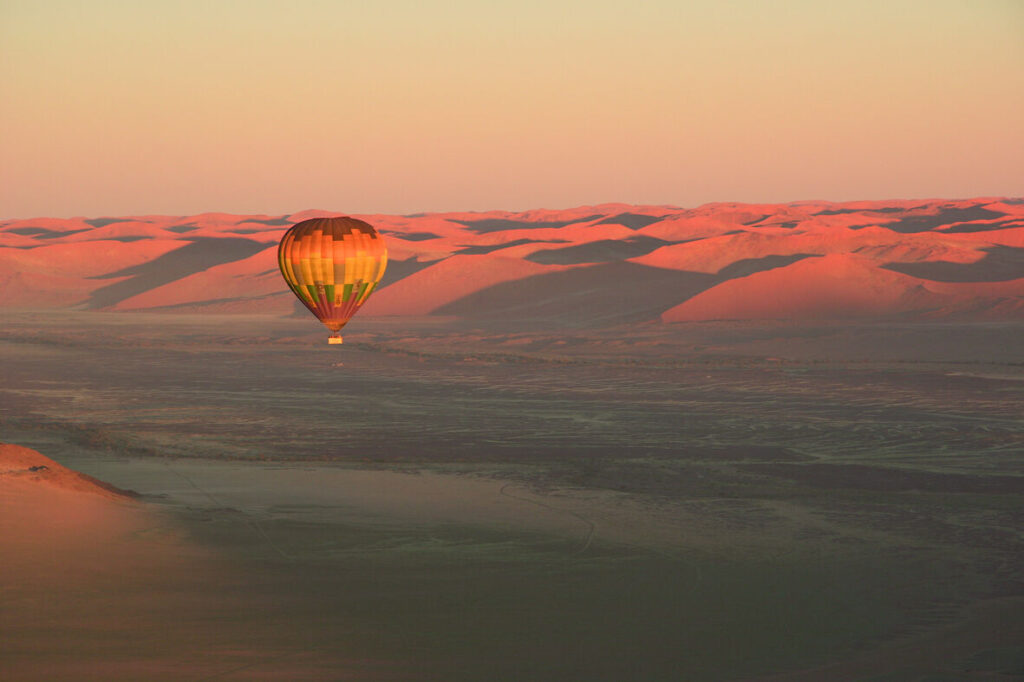
Rainfall in the Namib is rare, but when it happens, pans such as Sossusvlei can briefly hold water, reflecting the towering red dunes above. Birdlife appears quickly, drawn to these temporary waterholes and the contrast between water, sand and sky is striking. It’s a short-lived transformation in one of the world’s most arid landscapes.
Etosha in the green season – Namibia (Jan–March)
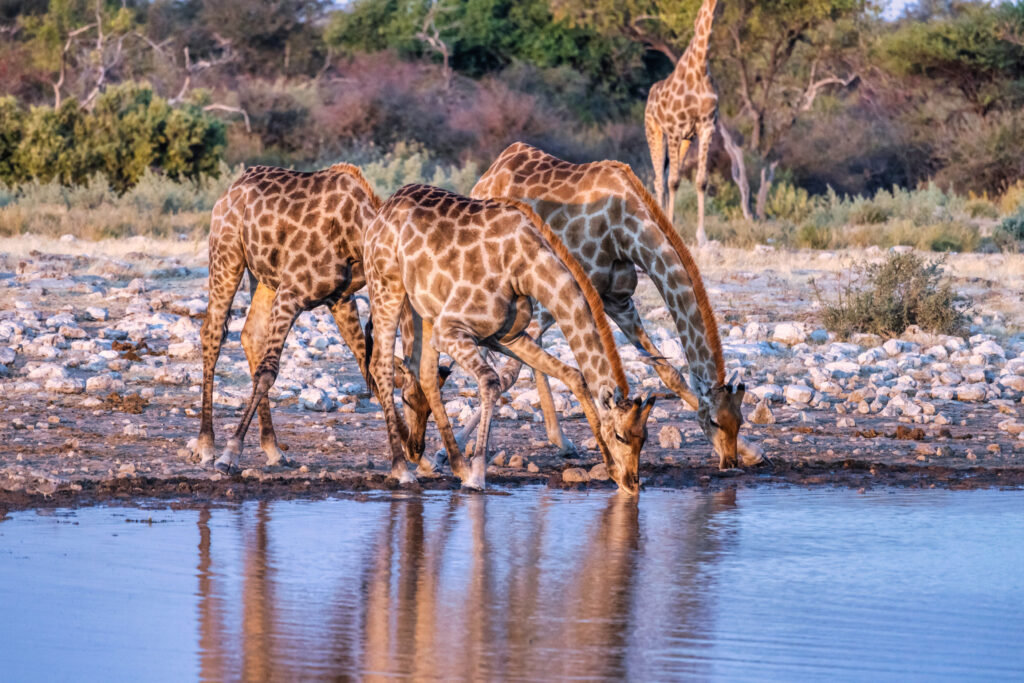
After the rains, Etosha transforms from a dry, dust-coloured landscape into something greener and more open. Seasonal pans fill, grasses grow quickly, and wildlife disperses more widely across the park. While sightings can be less concentrated than in the dry season, the softer light, fresh vegetation and presence of young animals create a very different, and often more atmospheric, safari experience.
Makgadikgadi Pans after the rains – Botswana (Dec–Mar)
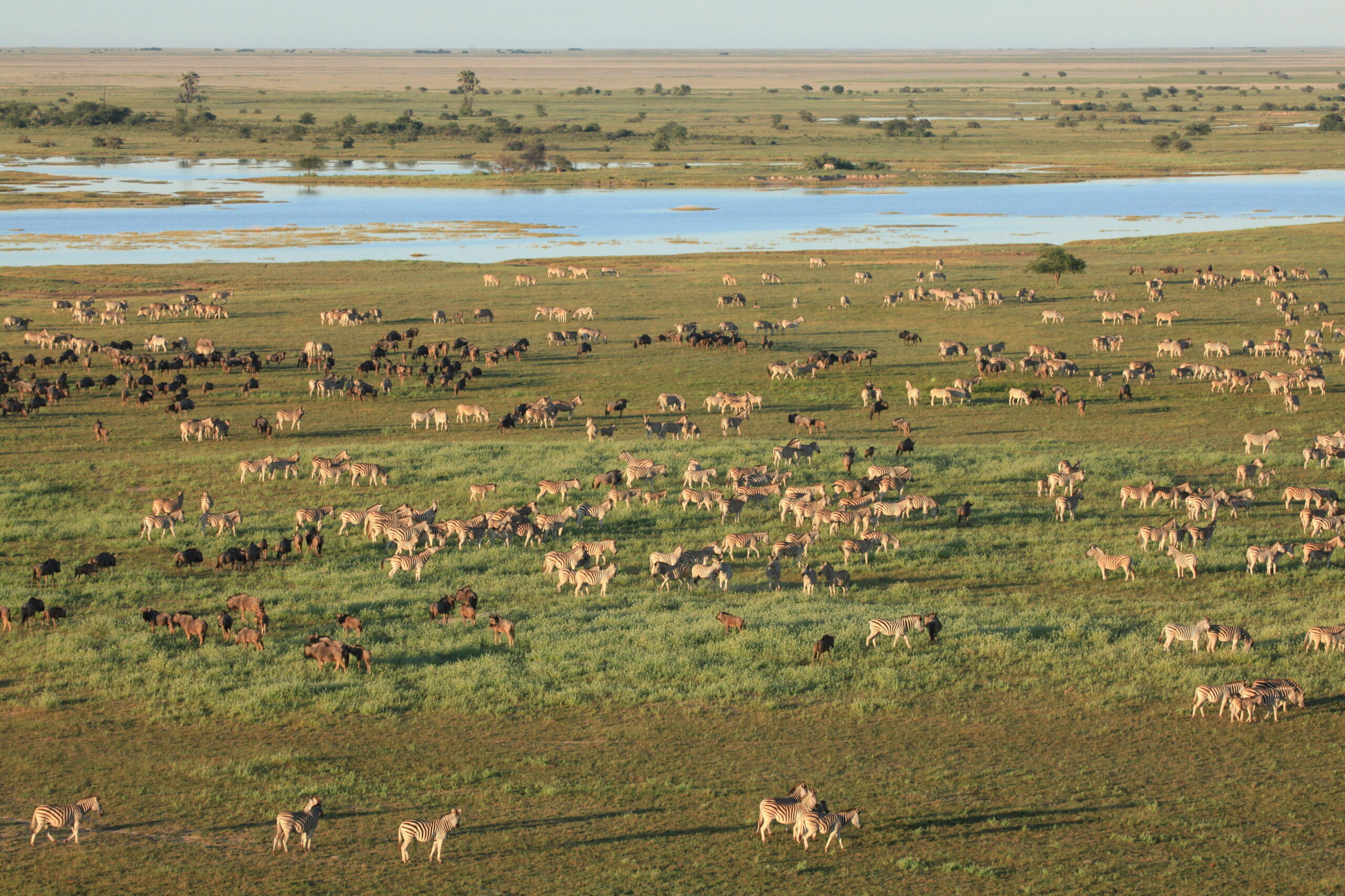
For much of the year, the Makgadikgadi Pans are vast, dry and almost featureless. With the arrival of the rains, shallow water spreads across the pans, grasses begin to grow, and the landscape draws in wildlife from far beyond. Flamingos may gather, and large herds of zebra and wildebeest move through, bringing life to an otherwise stark environment.
Zebra migration to Nxai Pan – Botswana (March–April)
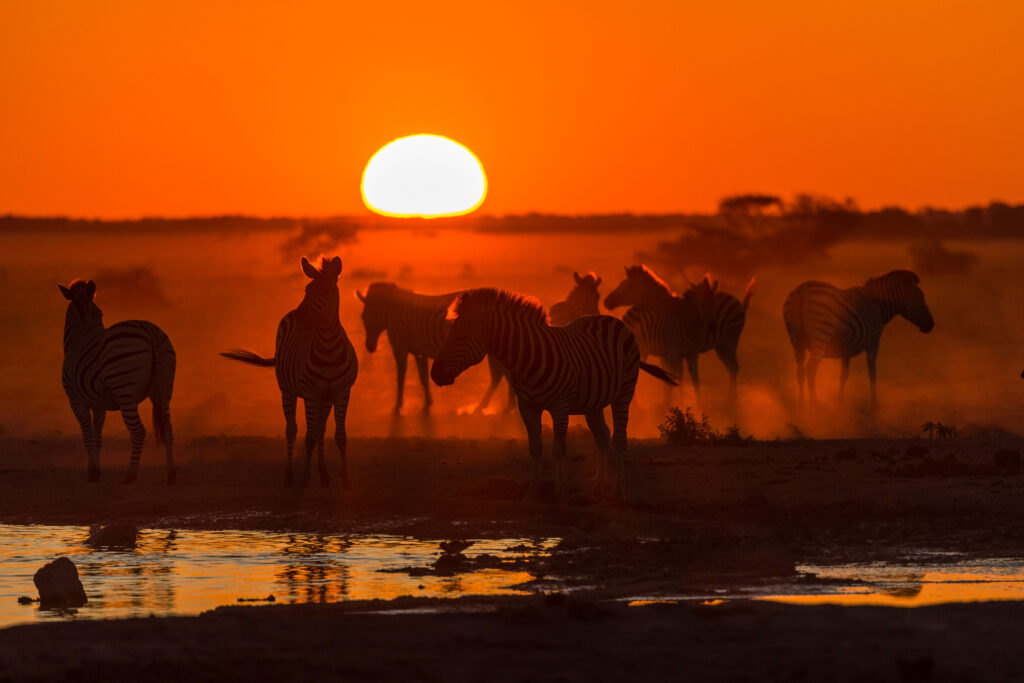
As the rains fall, zebra move into Nxai Pan and the surrounding grasslands, drawn by fresh grazing. What can feel like wide, empty space becomes animated with movement, as herds spread out across the plains under wide, open skies.
Okavango Delta flood arrival – Botswana (May-Aug)
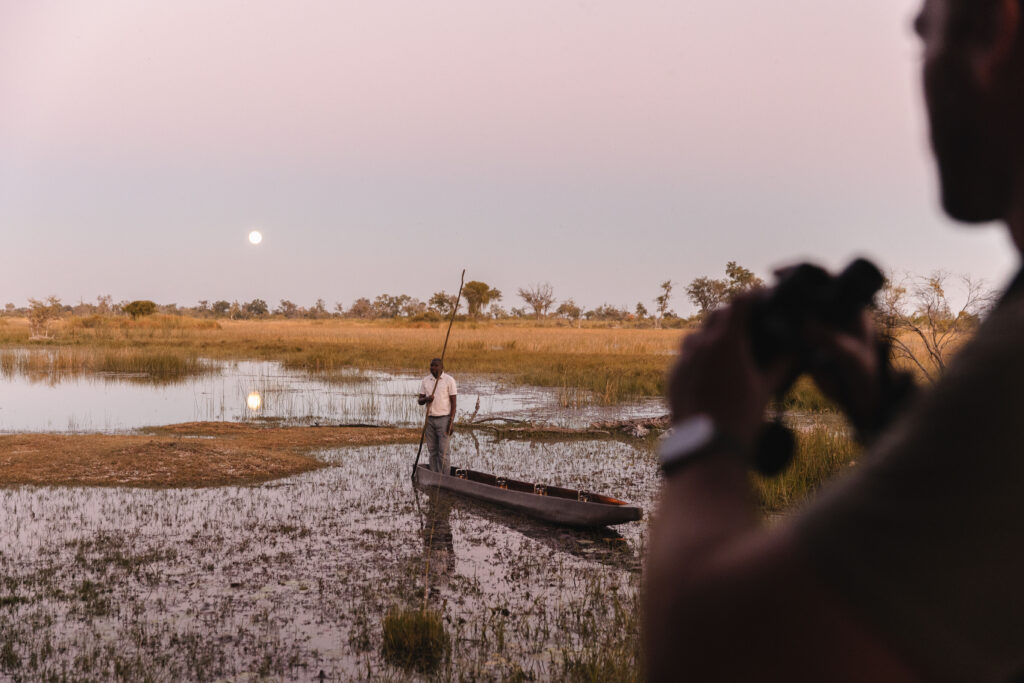
Floodwaters from Angola arrive in the Okavango months after the rains have fallen upstream. As they spread, dry land becomes a network of channels and lagoons. Waterlilies appear, mokoro routes open up, and wildlife concentrates on shrinking areas of land, transforming the Delta into a true watery wilderness.
Ephemeral rivers in Damaraland – Namibia (Jan-Apr)
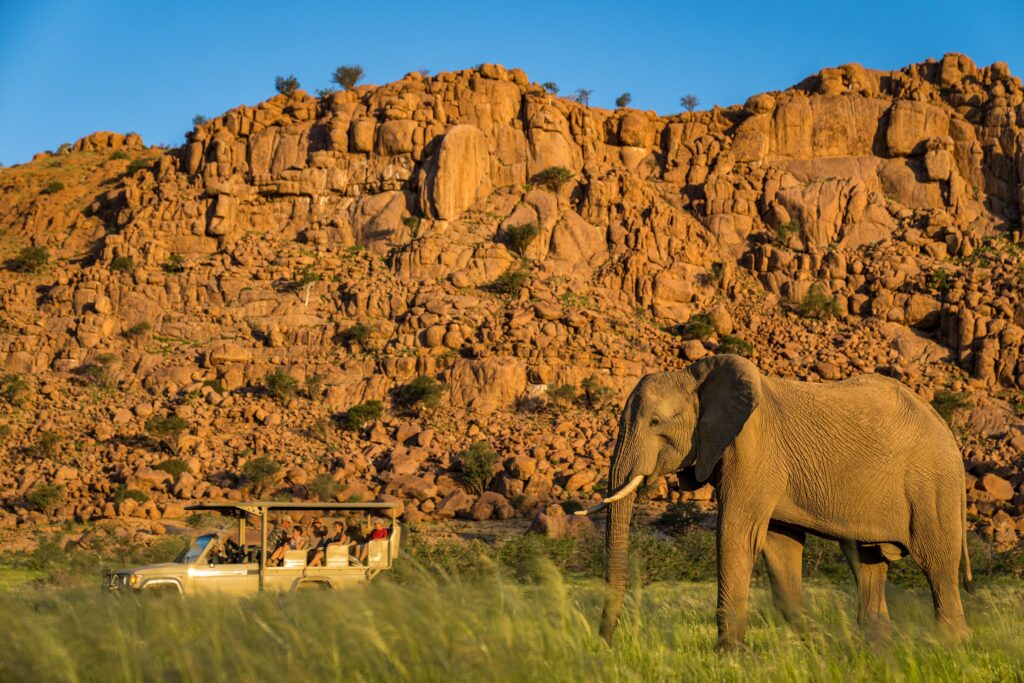
In Namibia’s north-west, normally dry riverbeds such as the Hoanib and Huab can experience flash flooding after heavy rainfall in the Central Highlands, to the east. When they do, it brings a sudden flush of greenery to these valleys, and replenishes the deep aquifers which sustain the permanent vegetation of this arid environment. In turn these attract desert-adapted wildlife, particularly elephant. Following these riverbeds offers a unique way to track animals through an otherwise sparse landscape.
Samburu after the rains – Kenya (Mar-May)
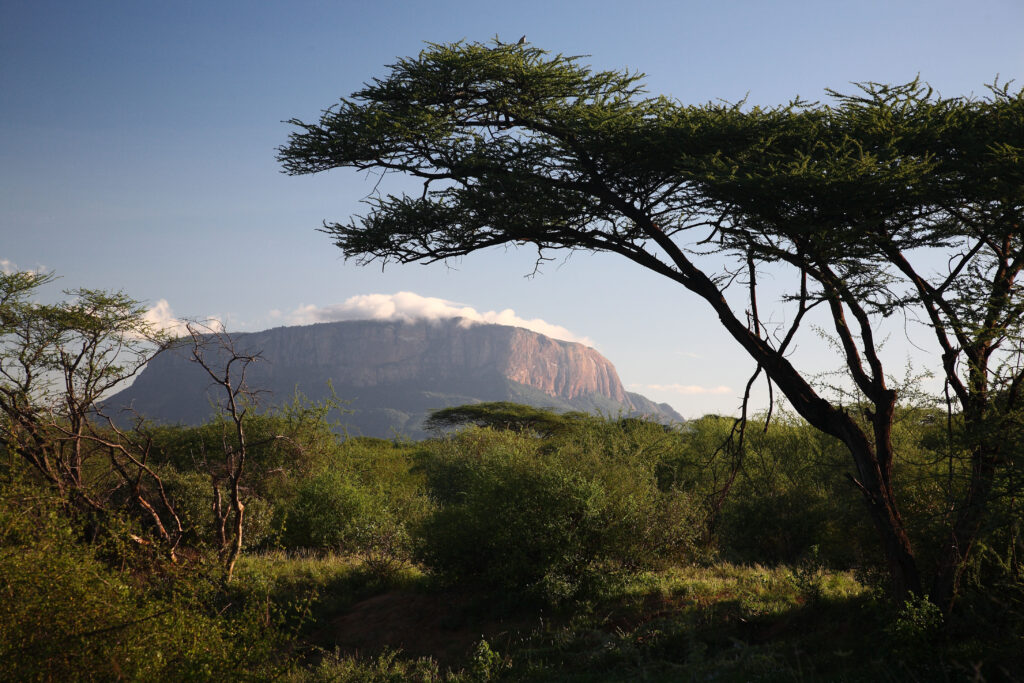
Across East Africa, the arrival of the rains brings rapid and visible change. In places like the Maasai Mara, Serengeti and Samburu, dry plains turn green within weeks, seasonal rivers begin to flow, and dust settles from the air.
Storms build through the afternoon, creating dramatic skies, while fresh grazing supports both wildlife and the birth of young animals. With fewer vehicles and a softer, more vivid landscape, it’s a rewarding time to travel, particularly for photographers.
Victoria Falls: low water to full flood – Zambia & Zimbabwe (Nov-May)
Victoria Falls changes dramatically through the year. At peak flow, the Zambezi pours over the edge in a vast curtain of water, sending spray high into the air. Later in the year, as levels drop, the full depth of the Batoka Gorge is revealed, with clearer views and access to places like Devil’s Pool. Both extremes offer something completely different.
These transformations are often short-lived and vary from year to year, but that’s part of their appeal. With the right timing, they reveal a side of Africa that many travellers never see. If last-minute travel’s an option, give us a call to see what’s happening on the ground.