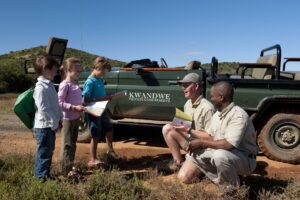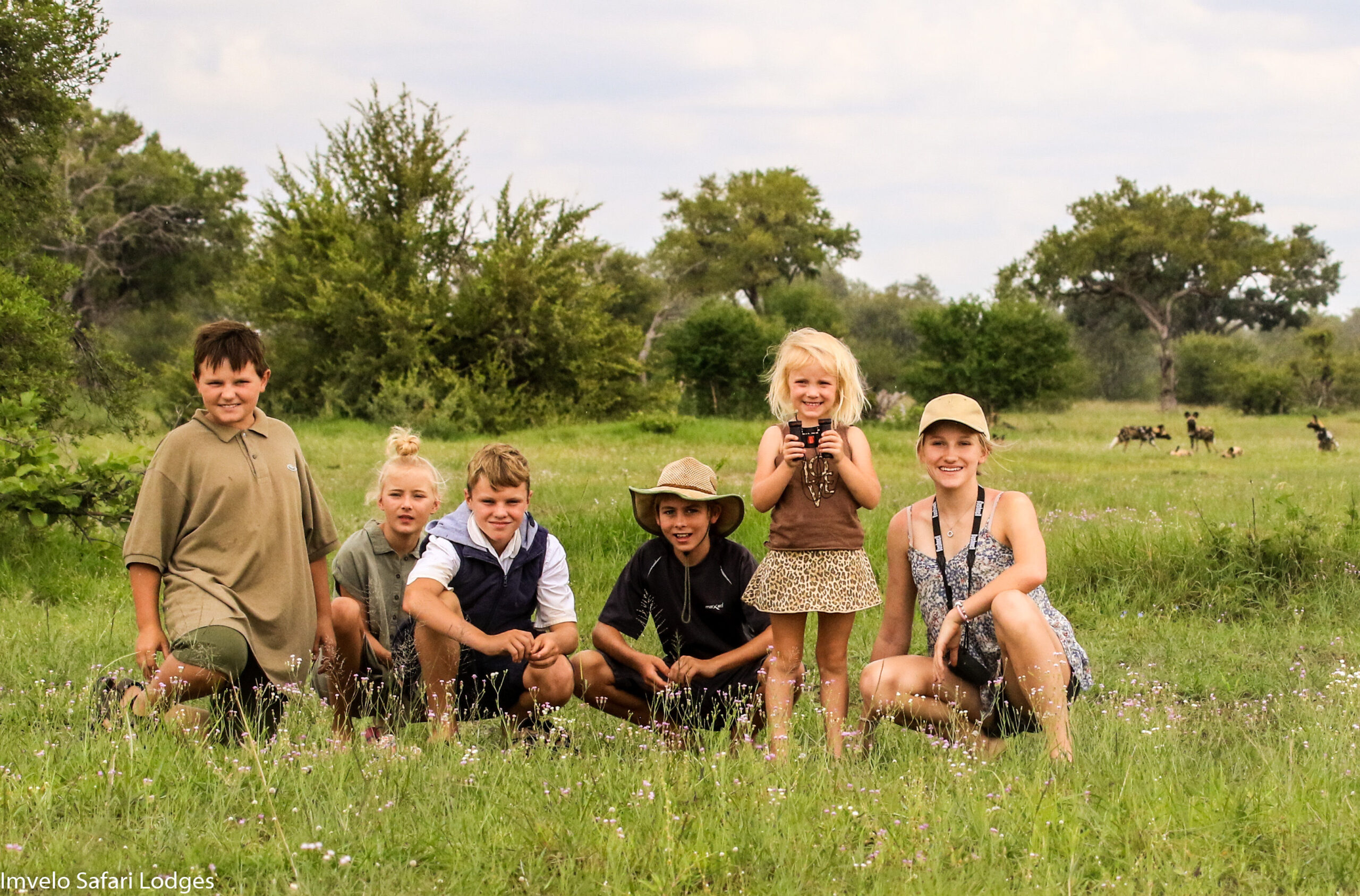

On safari, children are often the most fearless cultural explorers – darting into games with local kids, tasting food they’ve helped prepare, or testing out new words with mischievous delight. Their ease dissolves formality, leaving behind shared laughter and small, glowing moments of kinship. Teenagers, too, find their horizons stretched: watching a San elder follow tracks invisible to most eyes, or listening as a young Samburu guide speaks of duty and belonging, they glimpse other ways of seeing the world.
When it comes to travel, the term “cultural experiences” often raises eyebrows – staged performances, cheesy photo ops, and awkward moments. We do it differently. For our clients, it’s about genuine human connection: meeting people proud of their heritage, sharing it on their own terms, and inviting children and adults alike to explore with curiosity and respect. No spectacle, no pretence – just authentic interactions, thoughtful guiding, and experiences that leave lasting impressions.
Here are five safaris that we – and our family travellers – wholeheartedly recommend for thoughtful cultural connection and appreciation:
NAMIBIA
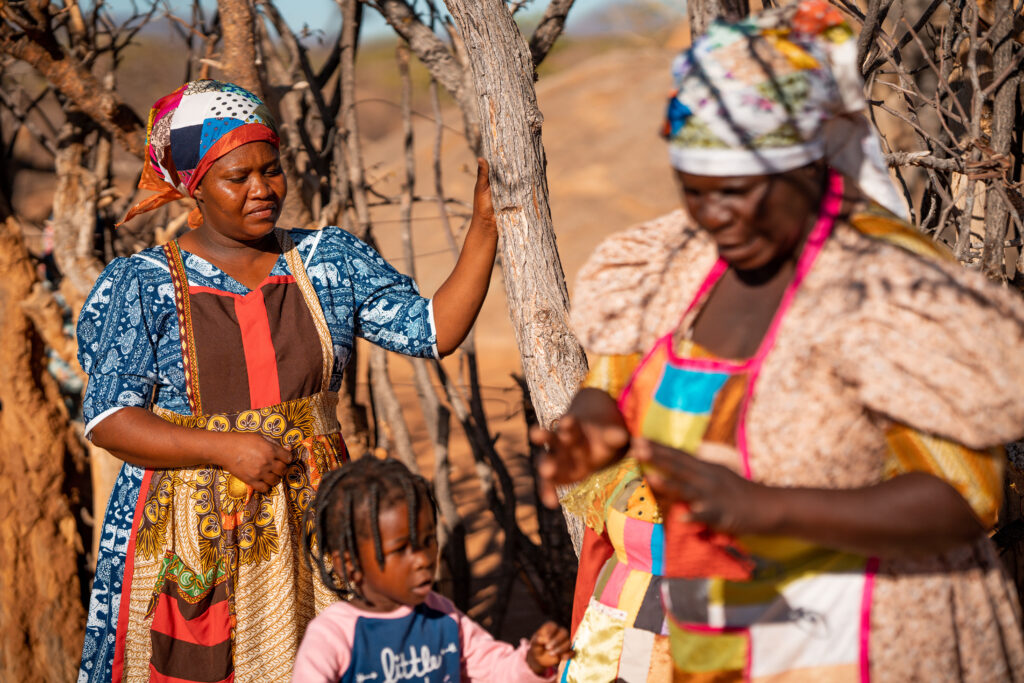
Namibia gives children a cultural kaleidoscope far beyond the usual safari. In the Erongo Mountains, rock art becomes a prehistoric comic strip waiting to be decoded. At heritage centres along the Zambezi, kids can watch baskets woven with hypnotic rhythm, pound grain with heavy wooden pestles, and try a drumbeat that carries for miles. Windhoek adds a splash of markets and street chatter – a softer entry into everyday Namibian life. What makes it sparkle is how touchable it all is: stories in stone, music in the air, craft in their hands.
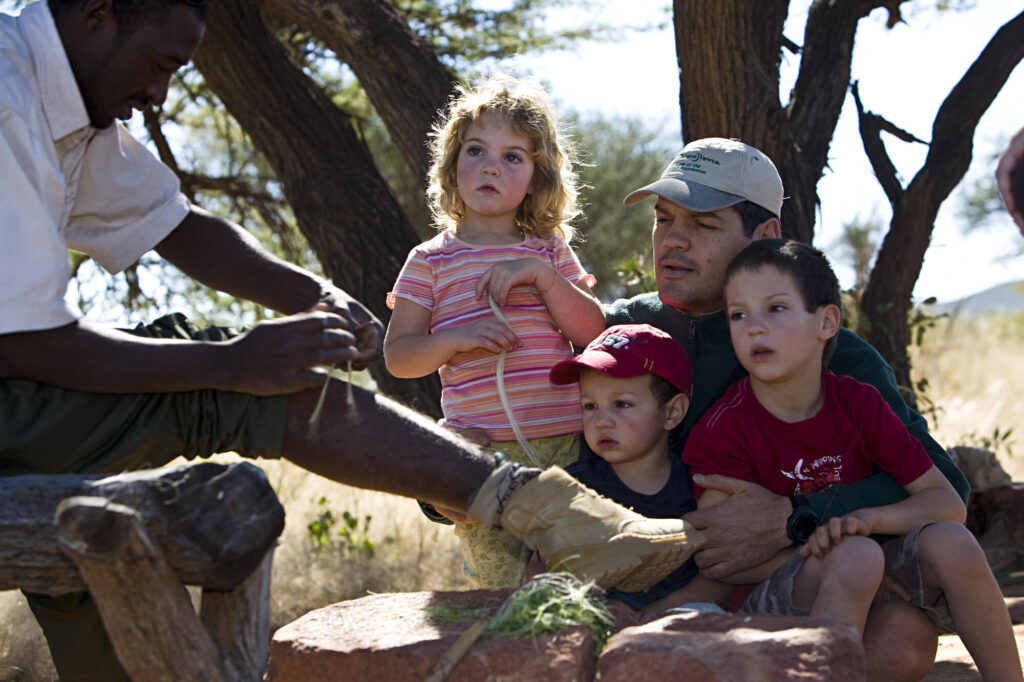
Trip idea: The Hartebeest Self-Drive Safari is part road adventure, part time machine. Children swap screens for San Bushmen tutors who teach them to spark fires, twist rope, and snack on desert berries, then meet the Himba, whose ochred skin and sculpted hair seem lifted from myth. These aren’t museum displays but living, breathing cultures, generous in sharing their skills and stories. For kids, it’s less about ‘sightseeing’ and more about doing – hunting, dancing, asking questions, getting dusty. The safari’s cultural encounters turn curiosity into memory, giving young travellers a sense that the world is far bigger – and richer – than home.
KENYA
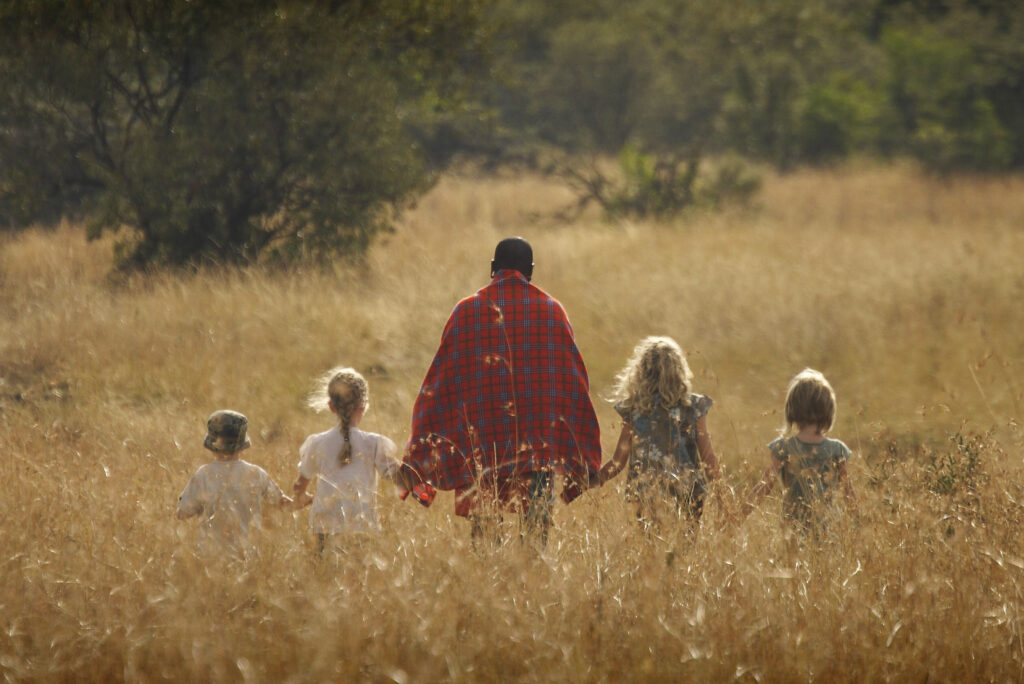
In Kenya, kids meet Maasai warriors and learn beadwork, hear stories that stretch across generations, and try their hand at traditional cooking or crafts. In Laikipia and the Mara, bush walks reveal not just animal tracks but tales of people who have shared the land for centuries. Village visits, drumming, and dance let children move history rather than memorise it. Markets and open-air gatherings show the rhythms of daily life, and conservation talks make kids feel like junior rangers.
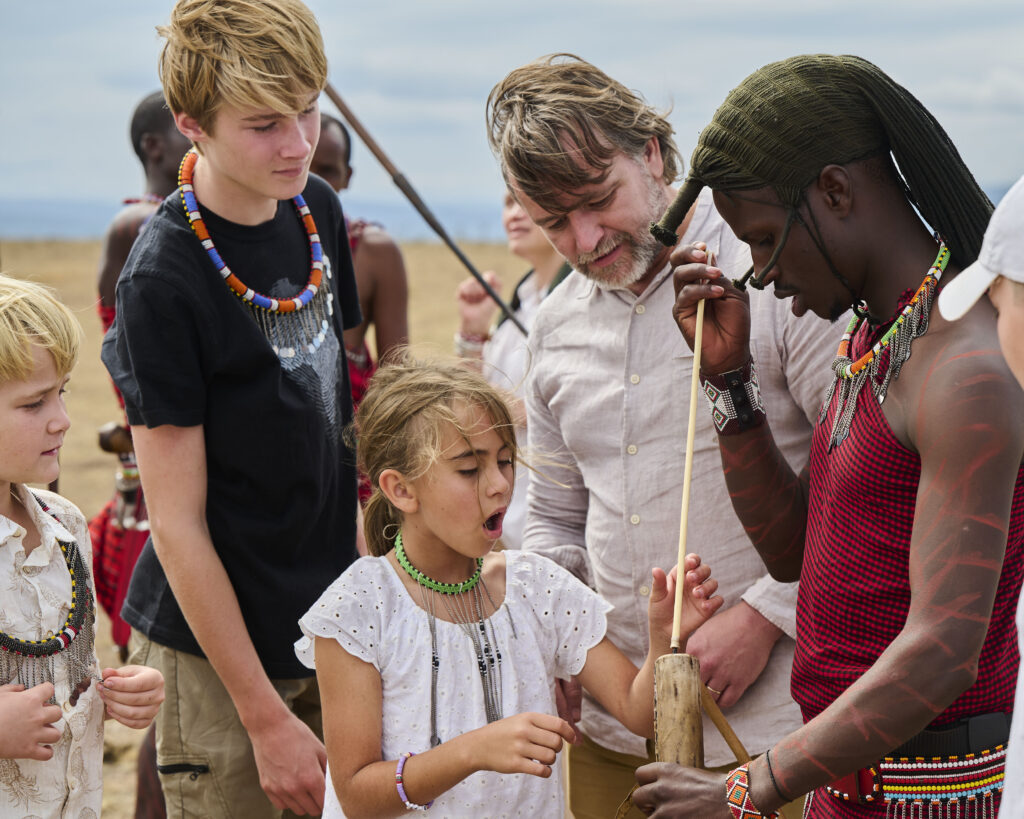
Trip idea: The Wahlberg’s Eagle Fly-in Safari gives kids a layered view of Kenyan life beyond the savannah. They see how communities manage water, livestock, and land, learning practical skills like weaving mats or making simple tools. Local guides introduce them to seasonal rhythms – planting, herding, and daily chores – showing how culture adapts to environment. The experience blends observation with gentle participation, giving children a sense of everyday life, problem-solving, and human ingenuity in rural Kenya.
BOTSWANA
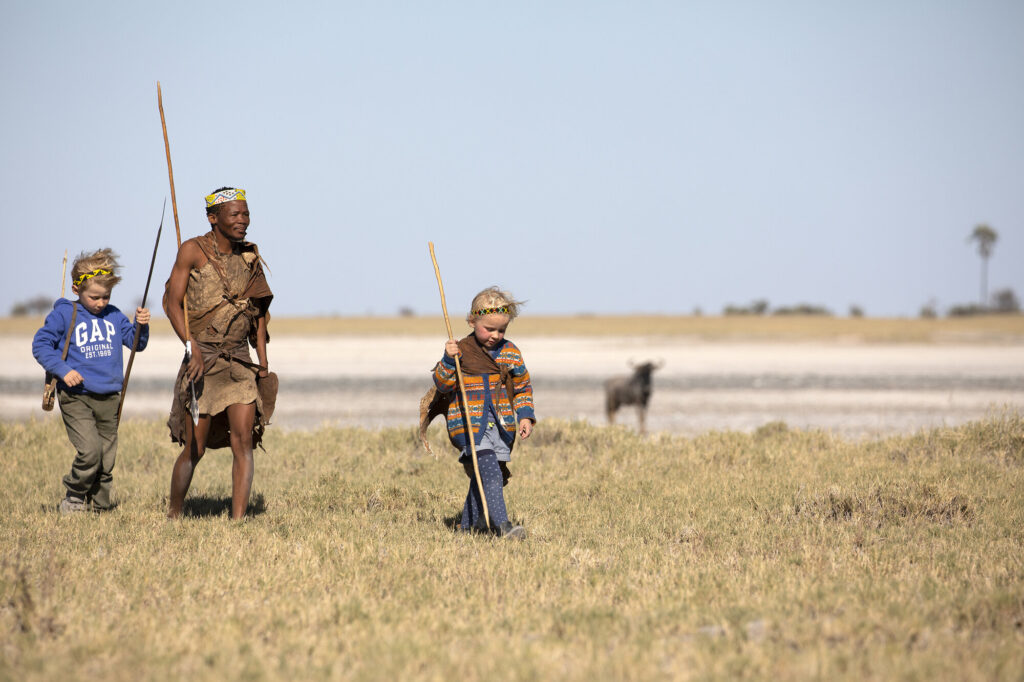
In Botswana, children can engage in cultural activities that offer immersive learning experiences. In the Makgadikgadi Pans, families can participate in cultural excursions, guided walking safaris, and even quad-biking adventures, providing both educational and thrilling experiences for young travellers. In the Okavango Delta, cultural village visits allow children to experience local customs and lifestyles firsthand. These activities not only entertain but also educate, fostering a deeper understanding and appreciation of diverse cultures in Botswana.
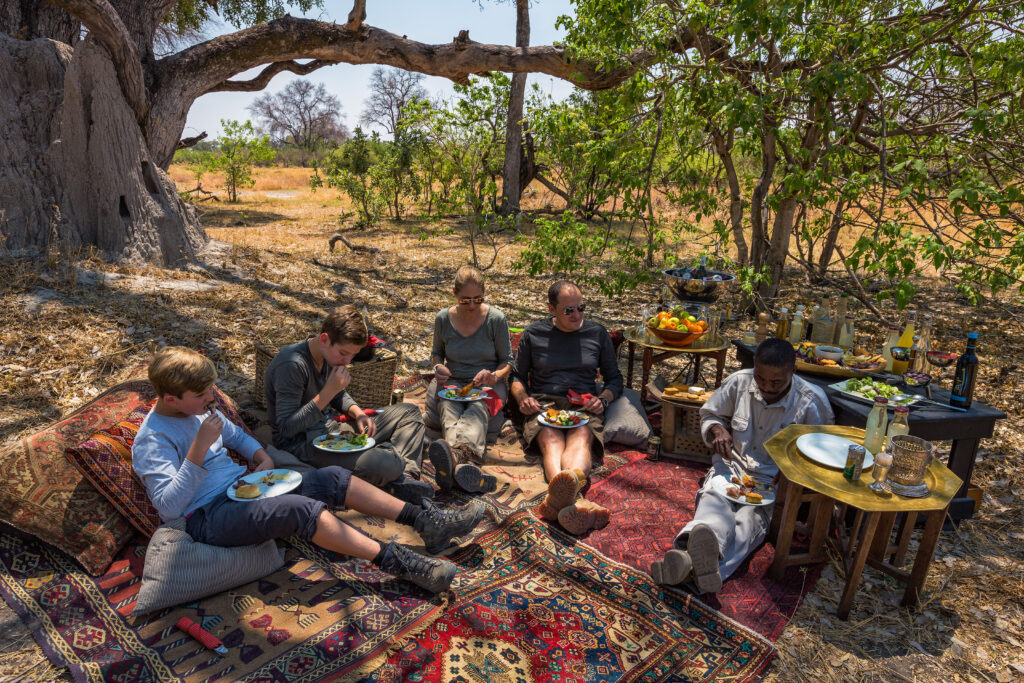
Trip idea: On the Porcupine Safari – exploring the Okavango Delta, Moremi, and Chobe – children enjoy mokoro rides, guided bush walks, and close-up wildlife encounters. But the cultural heartbeat is just as strong: village visits reveal daily life, from craft-making to cooking, while guides share stories of traditions, survival, and seasonal rhythms. Every stop blends adventure with understanding – tracking animals, learning local skills, and observing how communities live with the land.
ZIMBABWE
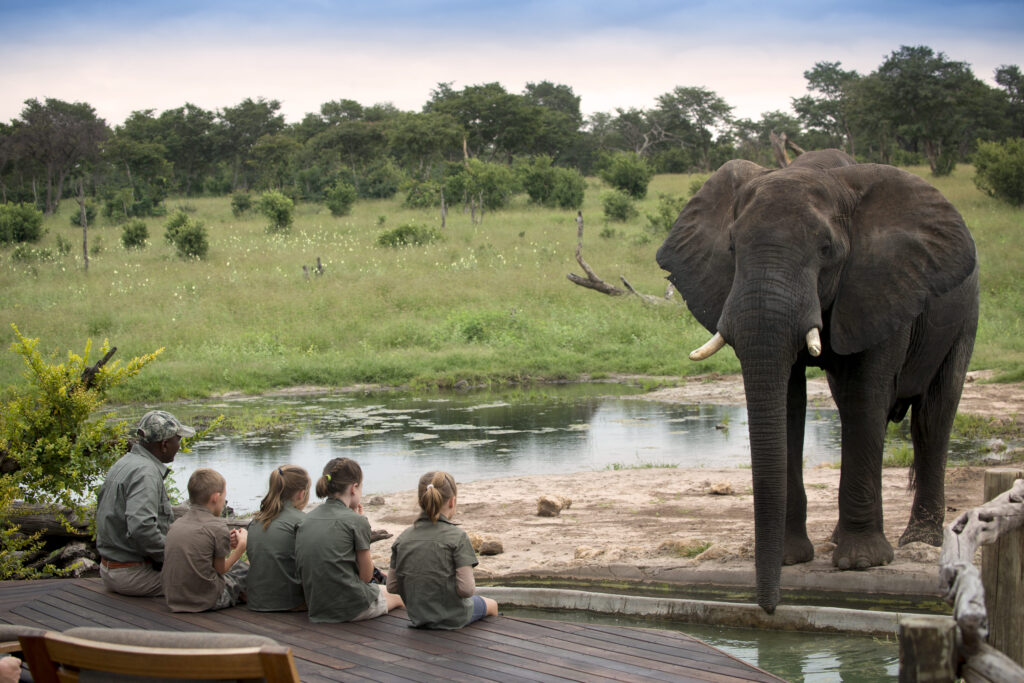
© African Bush Camps
In Zimbabwe, kids get a proper taste of culture. They can paint elephants, make beads, or gather for stories that bring local traditions to life. Out in villages, they visit schools, meet local leaders, and take part in cultural exchanges. Conservation and community projects let them engage directly with nature and local life. From the roar of Victoria Falls to Hwange’s wide-open plains and the rivers of Mana Pools, each day blends heritage, wildlife, and hands-on experiences.
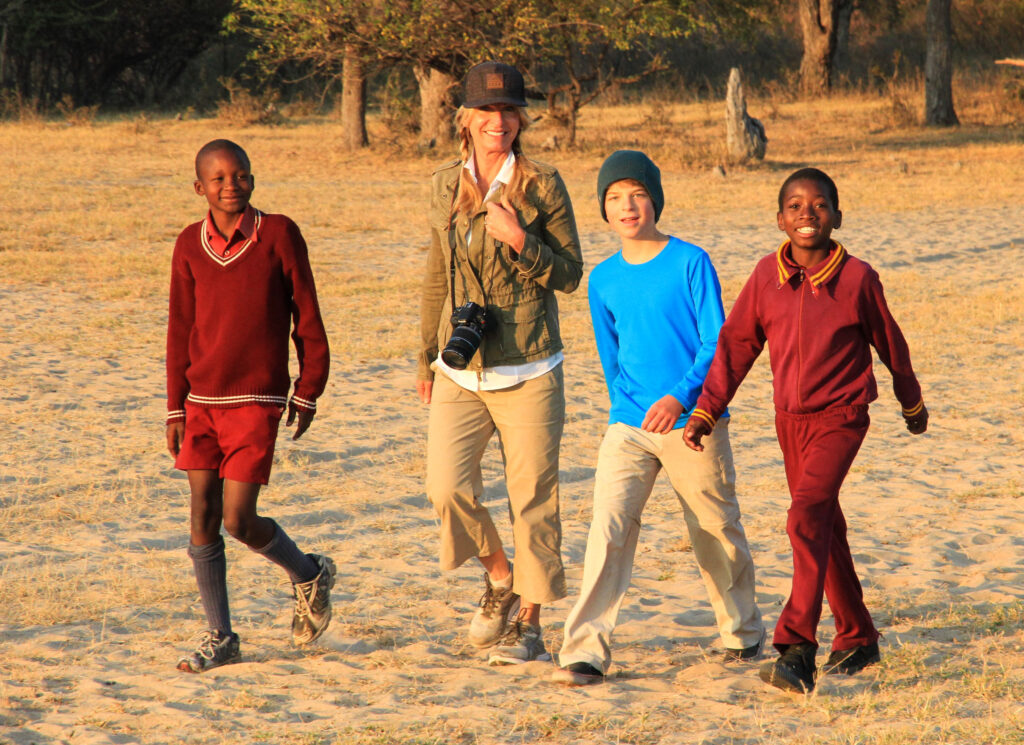
Trip idea: The Pied Kingfisher Safari offers children a rich tapestry of cultural experiences across Zimbabwe’s diverse landscapes. In Victoria Falls, they can engage in the Elephant Art Experience, blending creativity with wildlife appreciation. Moving to Hwange National Park, the safari includes visits to local villages and schools, fostering direct cultural exchanges and understanding. The journey concludes in Mana Pools, where children can participate in hands-on cultural activities, such as traditional crafts and storytelling.
ZAMBIA
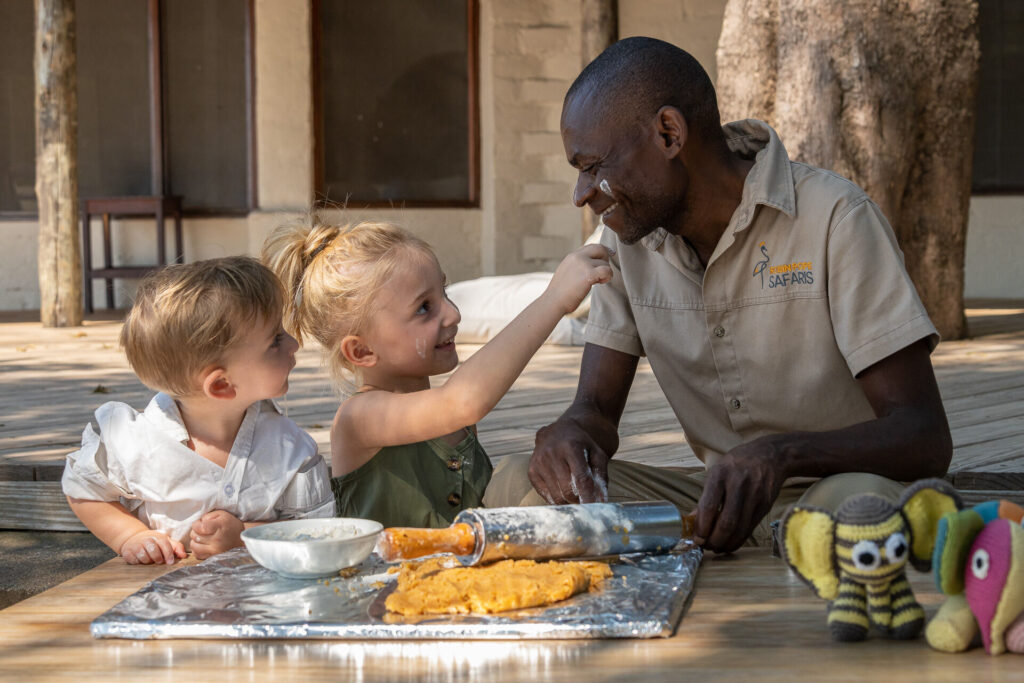
Zambia’s lightly peopled landscapes have helped traditions endure, and rural rhythms still open doors to Zambian cultural experiences. The country shines for families with children over eight who relish adventure. Its small, family-focused lodges and attentive service create intimate, original trips. Days brim with variety: adrenaline at Victoria Falls, Big Five spotting in South Luangwa, fishing on the Zambezi, stringing beads in a batik workshop, or haggling in markets thick with spice and chatter. Livingstone adds its own flavour – elephant encounters, crafts, food stalls – while the bush folds culture into nature through guided walks, fireside tales, and lessons in plants with purpose.
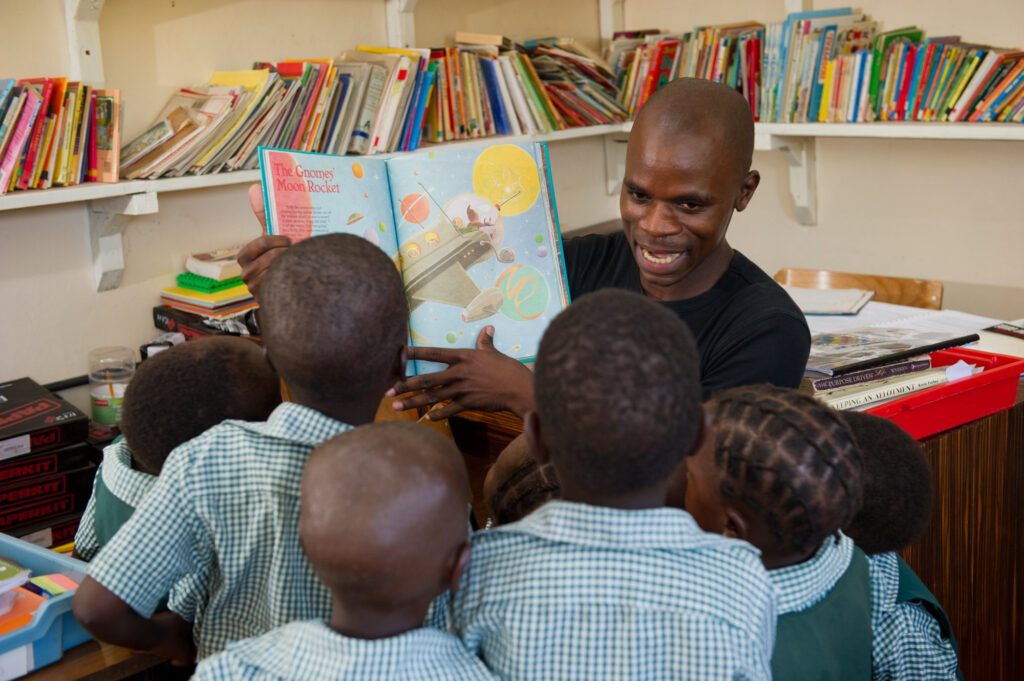
Trip idea: In Zambia’s South Luangwa, the Scrub Hare Safari invites children to meet the bush as a giant classroom – walking safaris where silence becomes an adventure, guides who know every birdcall and spoor, and camps run by people who treat guests like respected friends. There are community visits – mountain biking out to a village, stopping by Tribal Textiles where kids can see art born of everyday life, or Kawaza Village where local culture isn’t prepared for tourists, it just is.