
South Africa or Tanzania? The Serengeti or the Okavango Delta?
If you’re planning an African safari, deciding where to go can be surprisingly difficult. With so many extraordinary wildlife destinations to choose from, it’s tempting to begin by comparing countries, particularly when online searches and AI travel tools offer seemingly straightforward answers.
There are certainly some broad differences between safaris in Eastern and Southern Africa. The landscapes, wildlife, guiding styles and activities can create quite distinct experiences. But after more than 30 years of planning safaris, we’ve learnt that Africa doesn’t lend itself particularly well to generalisations.
Some of the most rewarding destinations are those that challenge our expectations. So what are the main differences, and how do you decide which part of Africa might suit you best?
1. The landscapes: Open plains or wooded wilderness?
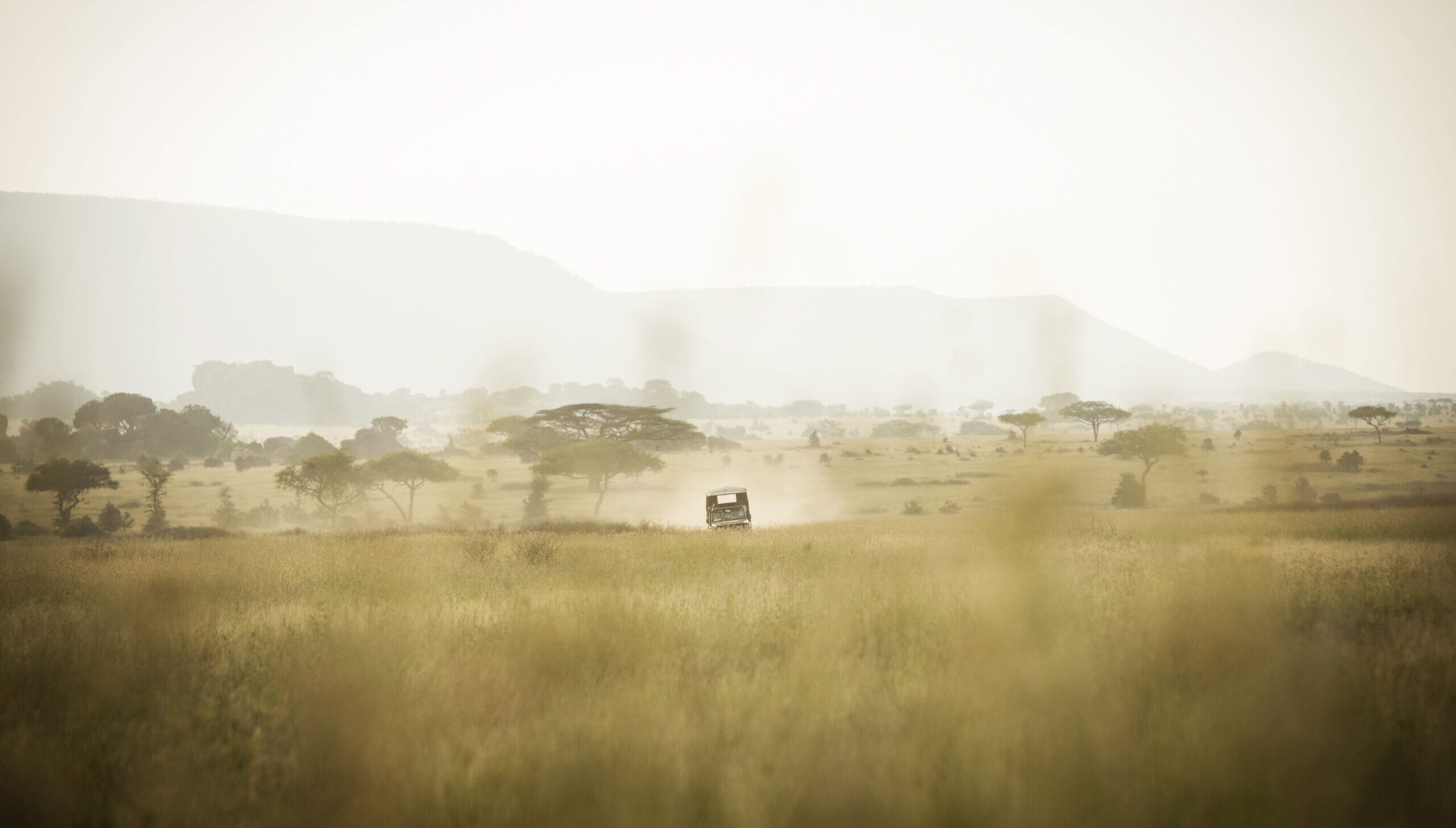
For many travellers, the classic image of an African safari is a vast golden savanna plain, dotted with acacia trees and enormous herds of grazing animals.
It’s a landscape that East Africa does particularly well. Tanzania’s Serengeti and Kenya’s Maasai Mara are celebrated for their open grasslands, spectacular wildlife concentrations and wonderful visibility. The Great Rift Valley adds another dimension, with dramatic escarpments, volcanic highlands and beautiful lakes.
Southern Africa often feels quite different. In Botswana, Zambia and Zimbabwe, much of the safari experience unfolds among woodland, riverine forests, floodplains and seasonal wetlands. Wildlife may be less immediately visible, and finding animals can involve more tracking and interpretation of signs. There’s a wonderful sense of adventure and discovery as a guide follows fresh tracks through the bush or rounds a bend to find lions lazing beneath the trees.
But the landscapes are far more varied than this comparison suggests.
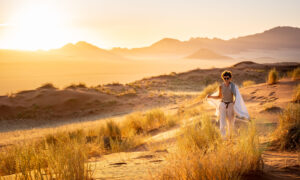
Southern Africa has its own magnificent open plains, from Zambia’s remote Busanga Plains and Liuwa Plain to the wide panoramas of South Africa’s Karoo. Namibia adds vast deserts, mountains and extraordinary geological scenery, while Botswana offers glittering salt pans and the waterways of the Okavango Delta. Great rivers such as the Zambezi and Orange carve through the landscape, while Lake Malawi’s clear waters are home to hundreds of species of colourful cichlid fish. Then there’s the sheer spectacle of Victoria Falls.
Meanwhile, East Africa encompasses Rwanda’s densely forested mountains and tea-covered hillsides; Tanzania’s remote west, where the forested Mahale Mountains rise above the turquoise waters of Lake Tanganyika; and northern Kenya’s dramatic contrasts, from rugged, forested mountain ranges and arid plains to the vast, shimmering expanse of Lake Turkana.
Both regions offer sweeping plains, dense forests and spectacular mountains, but the character of a safari can vary enormously, even between neighbouring wildlife areas.
2. The wildlife: Great migrations and remarkable diversity
East Africa’s great wildlife spectacles are deservedly famous.
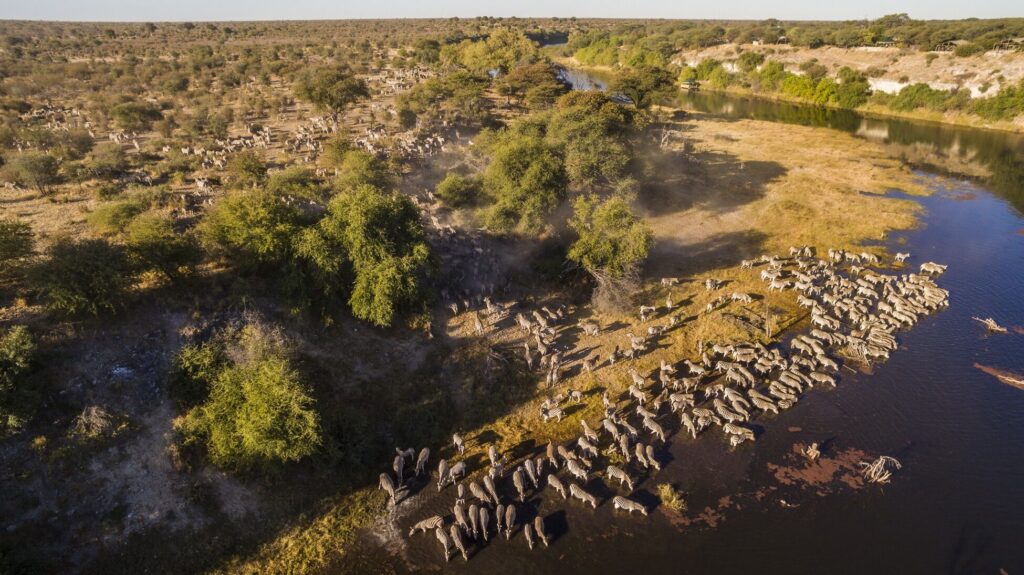
Perhaps most famously, the Serengeti–Mara ecosystem supports one of the world’s most extraordinary seasonal wildlife movements. During the Great Migration, immense herds of wildebeest and zebra move through the landscape, attracting predators and creating remarkable opportunities for wildlife watching. Even outside the migration, the region’s resident wildlife can be exceptional, with lion, cheetah, elephant, giraffe and numerous antelope species.
But Southern Africa has wildlife spectacles of its own.
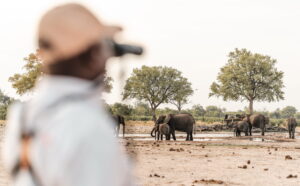
Botswana’s great zebra migrations and Zambia’s wildebeest migration across Liuwa Plain are among Africa’s lesser-known seasonal wildlife spectacles. In Chobe National Park, enormous herds of elephants gather along the river during the dry season, while buffalo can congregate in impressive numbers.
In Zambia’s Busanga Plains, cheetahs hunt across open grasslands. Along the Luangwa River, brilliantly coloured carmine bee-eaters gather annually to nest in sandy riverbanks, while in Zimbabwe’s Mana Pools, elephants are known to rise onto their hind legs to reach the branches of tall trees.
And there are fascinating differences in the species you might encounter.
Northern Kenya is home to distinctive wildlife including Grevy’s zebra, reticulated giraffe and gerenuk. In Southern Africa, the Kalahari supports species such as oryx, springbok and brown hyena. Namibia offers opportunities to search for desert-adapted elephants and black rhinos, while Botswana’s Makgadikgadi offers the unusual experience of spending time close to habituated meerkats.
The distinction isn’t simply about how many animals you’ll see. It’s about which species interest you and where you have the best chance of encountering them. Whether you’re hoping to find an elusive rarity or tick off the Big Five, our specialists know the areas and camps most likely to reward your search.
3. Safari activities: Game drives, walking and waterways
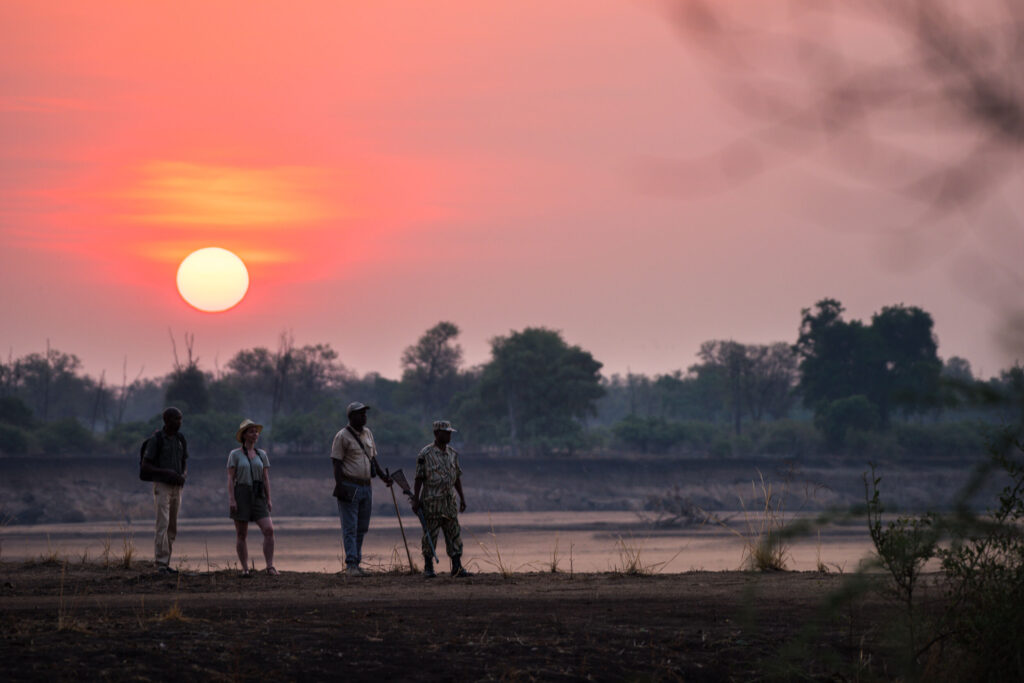
Game drives are central to safaris in both regions, but the opportunities to explore beyond the vehicle can differ considerably.
In East Africa, particularly in Tanzania and Kenya, game drives are the mainstay of most safaris. Vehicles vary from open 4x4s to enclosed vehicles with pop-up roofs, particularly on road-based safaris, offering good opportunities for wildlife viewing and photography.
Beyond traditional game drives, experiences range from walking with Samburu guides at Sarara in northern Kenya to tracking chimpanzees in Mahale or gorillas and golden monkeys in Rwanda’s mountain forests.
Southern Africa is particularly well known for the variety of ways you can experience the wilderness. At most safari camps, game drives take place in open 4×4 vehicles, sometimes with a tracker seated at the front to help spot wildlife and interpret tracks.
Zambia has a long tradition of walking safaris, with specialist guides leading explorations through the bush, sometimes over several days and between remote camps. Zimbabwe also offers exceptional walking, particularly in Mana Pools and Hwange.
In Botswana’s Okavango Delta, a mokoro (traditional canoe) excursion takes you quietly through reed-lined channels, while boat trips offer a different perspective on elephants, hippos and waterbirds. Along Zambia’s Lower Zambezi, guided canoe safaris allow travellers to explore the river and its channels, sometimes passing wildlife feeding on the banks.
Exploring on foot or from the water brings a different perspective to a safari, drawing your attention to tracks, birds, plants and the smaller details of the natural world.
For travellers who enjoy active exploration, this variety can be a compelling reason to consider Southern Africa.
4. The crowds: Is East Africa really busier?
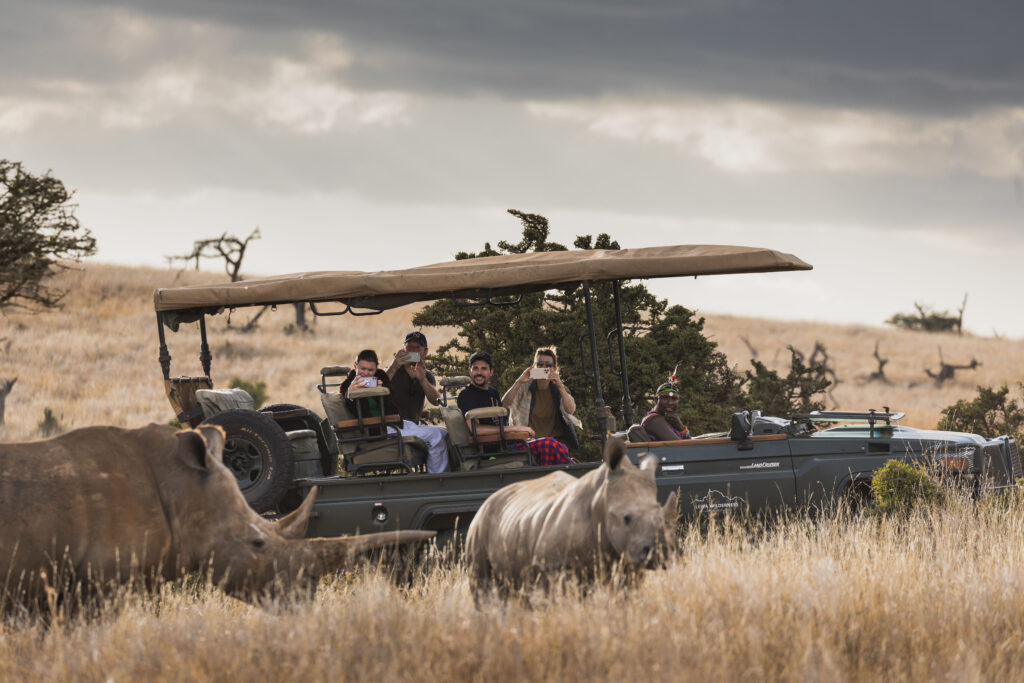
This is one of the most common assumptions about African safaris, and one that’s worth examining carefully.
There’s certainly some truth to it. During peak migration periods, popular areas of the Maasai Mara and Serengeti can attract very large numbers of safari vehicles, particularly around dramatic river crossings or high-profile predator sightings: a hundred vehicles all watching a river crossing is not unknown.
But it would be a mistake to conclude that East Africa is necessarily crowded, or that Southern Africa guarantees solitude.
Kenya’s private conservancies, remote northern regions and less-visited wildlife areas can offer much more exclusive safari experiences. Tanzania’s southern and western parks, including Ruaha, Nyerere and the Mahale Mountains, are far removed from the busy northern safari circuit and can give a real wilderness experience.
Equally, some of Southern Africa’s most popular wildlife areas can become busy, particularly around park entrances and the more accessible areas of national parks like the northern riverfront of Chobe, popular waterholes in Etosha, and even the central areas of South Luangwa.
Even within the same reserve, the experience can differ enormously. One camp might be located in a busy public area, while another has access to a private concession where visitor numbers are strictly limited. Some properties offer exclusive-use vehicles or particularly secluded wildlife areas.
Our specialists know which camps offer genuine seclusion, which areas are best avoided at particular times and where it’s possible to enjoy exceptional wildlife without sharing every sighting with numerous other vehicles.
The question isn’t simply whether East or Southern Africa is quieter, but where, when and how you travel within each region – and where you stay.
5. When to travel: Is there a best season?
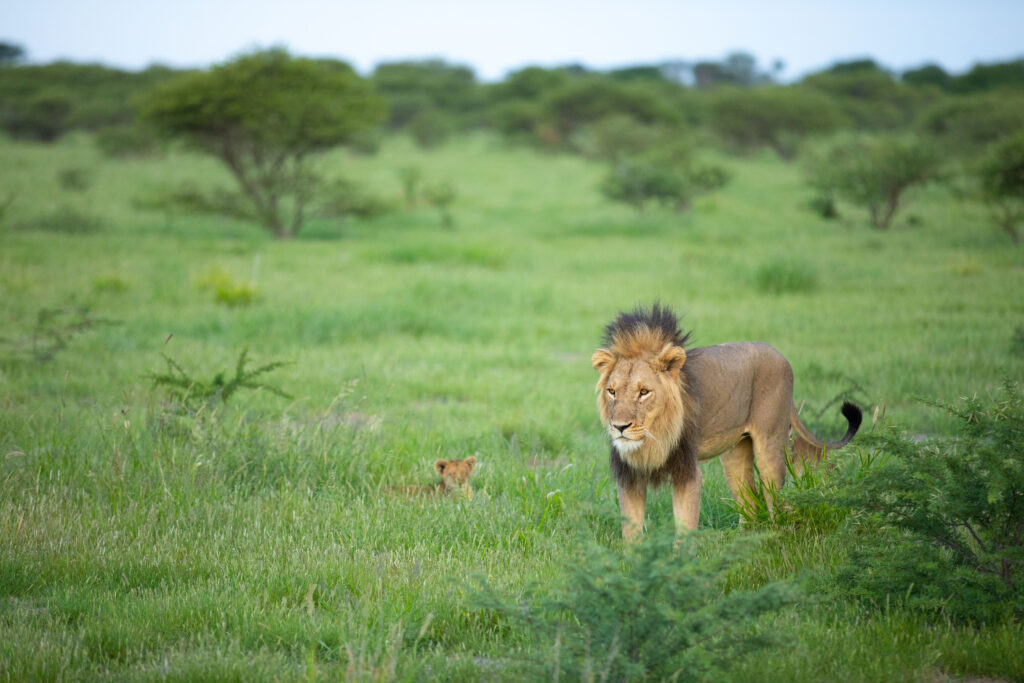
In much of Southern Africa, the prime safari season runs from May to October. As the dry season progresses, vegetation thins, wildlife gathers around permanent water and remote safari areas become more accessible. June and July can be surprisingly chilly, particularly on early morning game drives, while September and October become progressively hotter. In Zambia’s Luangwa and Lower Zambezi valleys, October temperatures can be searing, although wildlife viewing is often exceptional.
East Africa follows a somewhat different rainfall pattern. Tanzania and Kenya generally experience their main rains around March to May, with a shorter rainy period towards the end of the year, in November and December. The drier months from June to October are popular for safaris, although both countries offer excellent wildlife experiences at other times too.
The Great Migration illustrates just how much timing matters. Wildebeest move through the Serengeti ecosystem throughout the year, with calving generally taking place on the southern plains around January and February. The famous river crossings usually occur between July and October, when herds move through the northern Serengeti and Kenya’s Maasai Mara. The precise timing depends on rainfall and grazing conditions.
But these broad seasonal patterns tell only part of the story.
Botswana’s Okavango Delta is unusual in that its annual flood arrives during the dry season, creating wonderful opportunities for water-based safaris. Zambia’s remote walking camps generally operate from around June to October or November, when access is possible. Namibia’s desert landscapes can be rewarding throughout the year, while South Africa’s Cape region has a Mediterranean climate, with warm, dry summers and cooler, wetter winters. The end of the year can be a wonderful, if busier, time to visit.
And the rainy season shouldn’t automatically be discounted. Indeed, for the Central Kalahari Game Reserve in Botswana, February-May is perhaps the best time to visit. Greener landscapes, dramatic skies, migratory birds and fewer visitors can make for rewarding safaris, often at lower prices, although some remote camps close and wildlife can be harder to find.
Ultimately, the best time to travel depends less on whether you choose Eastern or Southern Africa than on the particular places, wildlife and experiences you’d like to enjoy.
6. Getting there and getting around
Flight times can be an important consideration, particularly for families with younger children. For travellers from Europe, Nairobi is considerably closer than Johannesburg or Cape Town, with direct flights from London taking around nine hours, compared with approximately eleven to twelve hours to South Africa. However, the longer flights to Southern Africa can offer more convenient schedules, with overnight departures and early-morning arrivals allowing travellers to sleep on board and make the most of their first day. Return flights from Nairobi, by contrast, often depart late at night. All three cities are served by direct flights from several major European airports.
A longer journey needn’t be a disadvantage. Spending a few days enjoying Cape Town’s restaurants, beaches, vineyards and spectacular scenery before heading off on safari can be a wonderful way to begin a holiday.
Once in Africa, getting around can be organised in quite different ways.
In Rwanda and on Tanzania’s northern safari circuit, for example, it’s common to travel between wildlife areas by road with a private guide and vehicle. Your guide accompanies you throughout the journey, getting to know your interests and adapting the experience as you travel.
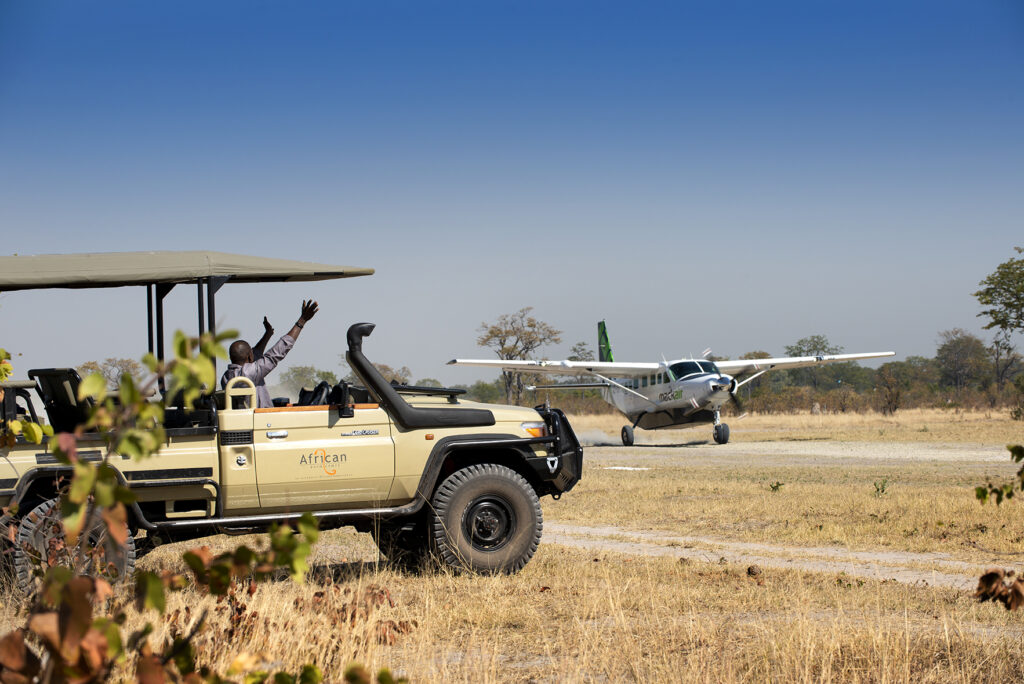
In Kenya, fly-in safaris are popular, with light aircraft particularly useful for reaching more remote camps.
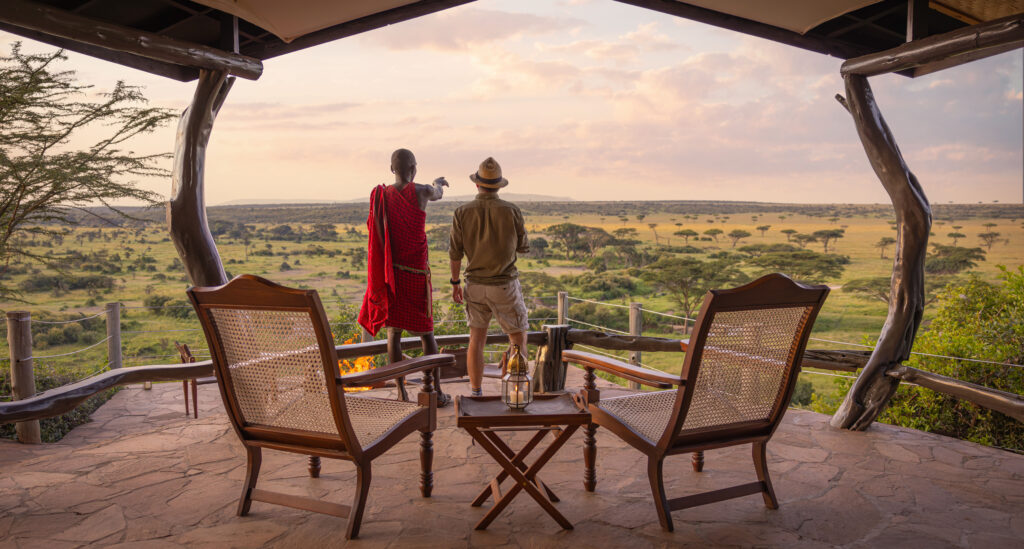
Southern Africa often lends itself to fly-in safaris, especially in Botswana’s Okavango Delta, where small aircraft connect remote camps. Guests typically enjoy activities with the resident guides at each lodge, although private guiding is also possible. By contrast, Namibia and South Africa are excellent self-drive destinations, offering the freedom to explore independently.
In Zambia and Zimbabwe, a combination of light aircraft, road transfers and sometimes boat journeys connects the different safari areas.
Some travellers love the continuity of having the same guide throughout their journey, while others enjoy meeting different guides at each camp. And for those who don’t relish long road journeys, a fly-in safari can be a wonderful experience in itself, offering spectacular aerial views of the landscapes below. The important thing is to consider the whole journey, not just the individual parks or camps.
Eastern or Southern Africa: Which safari is right for you?
If your dream is to watch enormous herds moving across open savannah, East Africa’s famous wildlife areas may be exactly what you’re imagining.
If you’re drawn to walking safaris, tracking wildlife through woodland or exploring rivers and wetlands by canoe, Southern Africa offers some exceptional possibilities.
But these are starting points, not rules.
At Expert Africa, our specialists have spent decades travelling through these countries, visiting camps, getting to know guides and understanding the differences between individual wildlife areas. We know that choosing the right safari is rarely as simple as choosing between two countries.
Sometimes the most rewarding destination is somewhere you hadn’t considered at all.
Talk to our Africa specialists about finding the safari that’s right for you. We know the celebrated wildlife areas, the quieter corners and the remarkable places that rarely make the headlines.