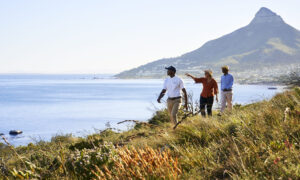

Cape Town is an unusually easy city to admire. Table Mountain provides the backdrop, the Atlantic wraps around its suburbs and brightly painted houses enliven the slopes of Signal Hill. Yet the city’s appearance tells only a fraction of its story.
Cape Town has been shaped by enslavement and migration, colonialism and apartheid, political resistance and extraordinary creativity. Those histories are still visible, but their significance is easily missed without someone to provide context.
We have always understood the importance of an excellent guide on safari. A skilled guide notices what others overlook, interprets what you are seeing and adapts the experience to your interests. Precisely the same principle applies in Cape Town.
These four experiences approach the city from very different perspectives, revealing the people and stories behind Cape Town’s celebrated scenery. One traces the political negotiations that helped end apartheid; another explores contemporary African art. Two locally guided neighbourhood walks introduce communities whose histories and cultures remain integral to Cape Town’s identity.
In Mandela’s Footsteps: history in the streets
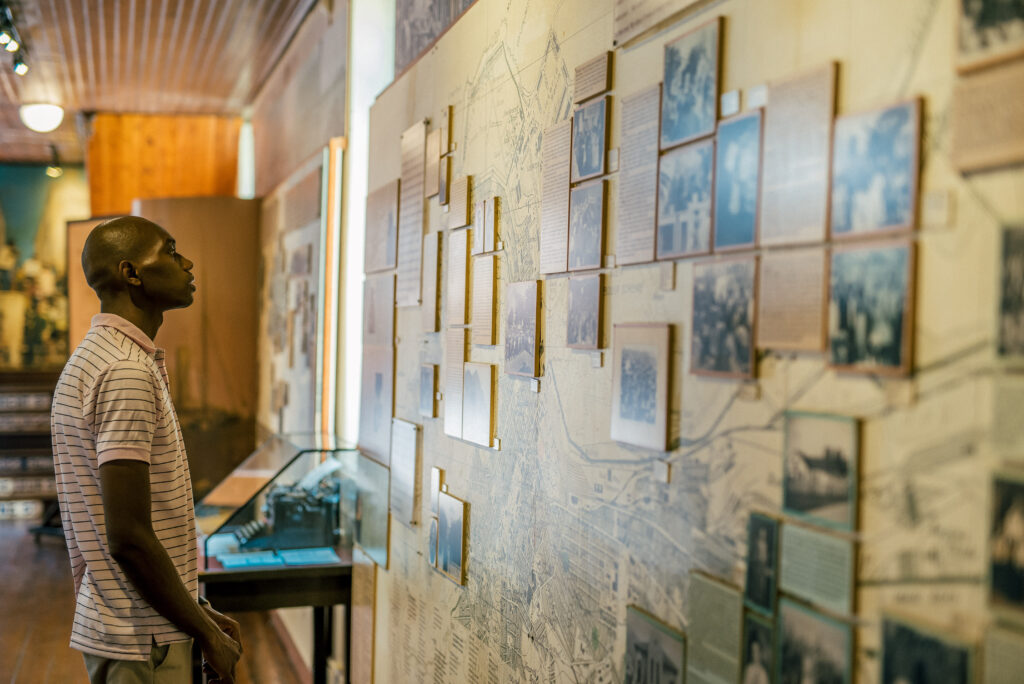
For many visitors, Nelson Mandela’s Cape story begins and ends with Robben Island. Yet some of the most dramatic events surrounding his release and South Africa’s transition to democracy unfolded in the city itself.
In Mandela’s Footsteps is a privately guided, three-hour walk through Cape Town’s historic centre. Covering approximately two kilometres, it connects familiar landmarks with the political decisions, secret negotiations and individual acts of courage that changed South Africa.
The route includes Greenmarket Square, Parliament and Tuynhuis, the presidential office where important discussions took place. Surviving apartheid-era benches provide stark physical reminders of the racial divisions once enforced throughout everyday life.
The emotional centre of the walk is Cape Town City Hall. It was from its balcony on 11 February 1990, only hours after leaving prison, that Mandela addressed the enormous crowd gathered below. Standing in the same place gives immediacy to an event that can otherwise feel confined to history books.
The guide also introduces some of the less familiar people involved in South Africa’s political transition: activists and political leaders, certainly, but also prison officials, intermediaries and intelligence figures who participated in negotiations behind closed doors.
This is not simply a chronological account of Mandela’s life. It is an exploration of leadership, resistance and compromise, and of the uncertain process through which a deeply divided country began moving towards democracy.
For a fuller perspective, the walk combines particularly well with Robben Island. We can arrange ferry tickets for after the tour, allowing you to follow the story from the city to the prison where Mandela spent 18 of his 27 years in captivity.
Art of Cape Town: a city still creating
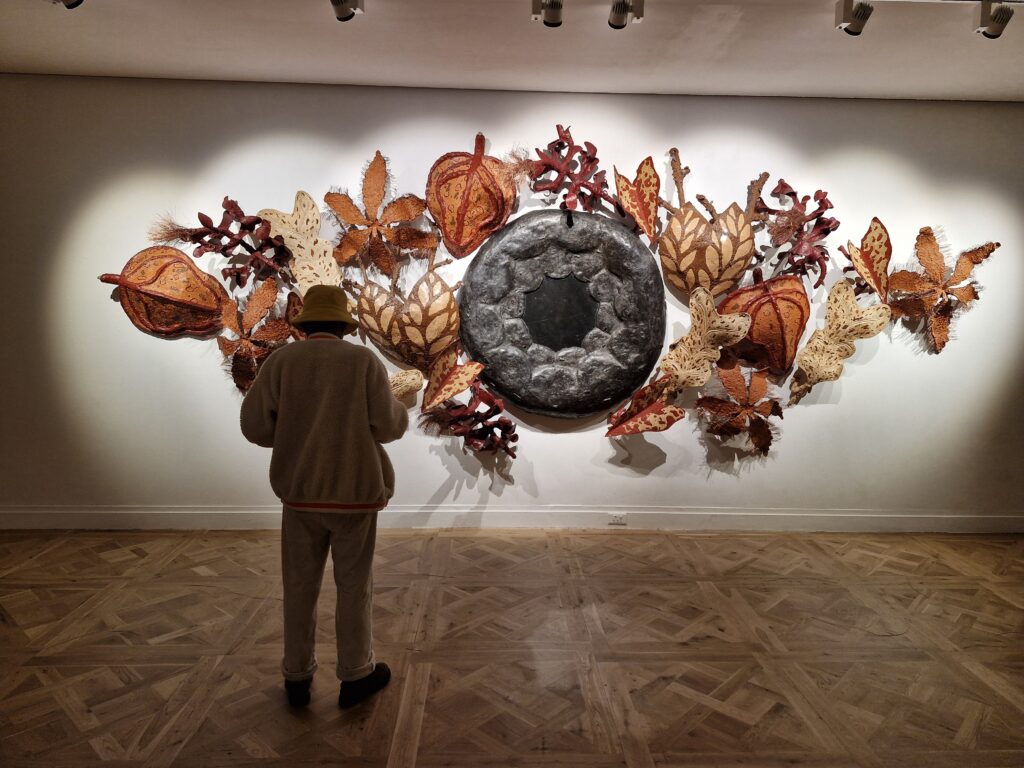
Cape Town’s history is not only preserved in monuments and museums. It is continually examined, challenged and reinterpreted by the city’s artists.
The private Art of Cape Town experience is led by a specialist with close connections to the local creative community. Rather than following a fixed circuit of galleries, the tour is developed around your interests and the exhibitions taking place during your visit.
You might concentrate on contemporary African painting, photography or sculpture, or explore ceramics, printmaking, architecture, fashion and design. Depending on those preferences, the route can take in the City Bowl, Woodstock, the V&A Waterfront or the Southern Suburbs.
Major institutions such as Zeitz MOCAA and the Norval Foundation can be included, but the specialist guidance becomes especially valuable beyond the headline museums. Cape Town has a dynamic network of commercial galleries, independent exhibition spaces, workshops and artist-run studios. Knowing which doors to open, and what is particularly interesting at the time, transforms the experience.
Woodstock provides a fascinating focus. Close to District Six and profoundly affected by apartheid-era displacement, the neighbourhood has subsequently become one of Cape Town’s most energetic creative areas. Galleries, murals, workshops and design studios sit within a district that continues to change rapidly, sometimes contentiously.
For collectors and serious art enthusiasts, a full-day version can include private viewing rooms, gallery storage areas and studio visits with South African artists. For those with a more general interest, the shorter tour provides an accessible introduction to the ideas and creative energy shaping the city today.
Langa Township Tour: community, conversation and context
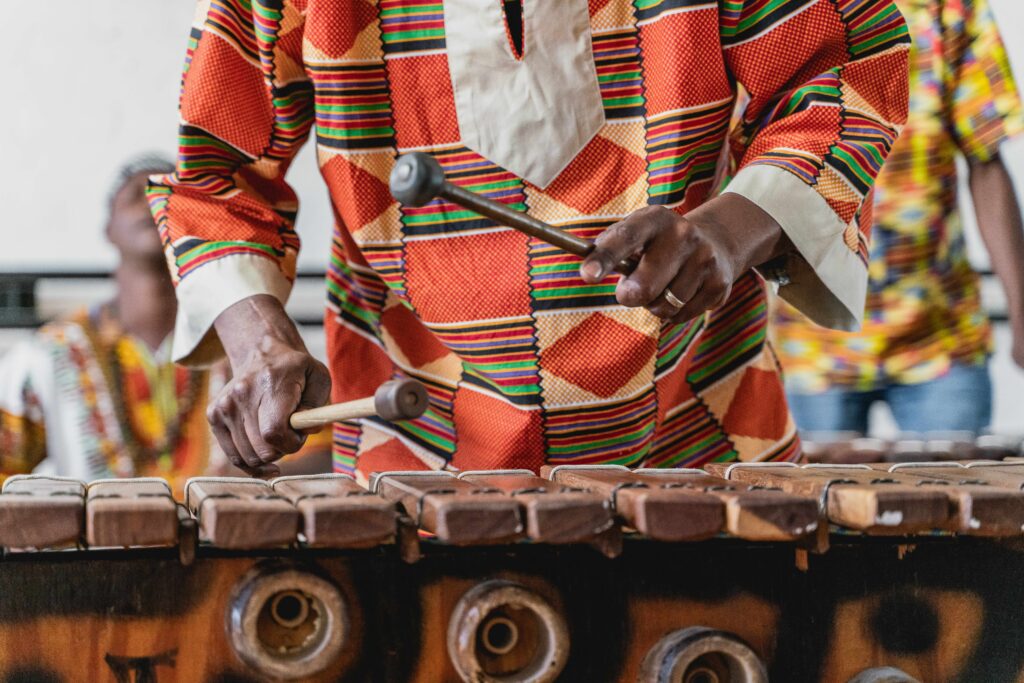
Langa is Cape Town’s oldest township, but describing it solely through its history risks overlooking the living community that exists there today.
The private Langa Township Tour is led by a local guide and explored predominantly on foot. That distinction matters. Rather than observing through the window of a vehicle, you spend time in the streets, markets and public spaces where everyday life unfolds.
Your guide explains Langa’s history and the policies that created South Africa’s townships, but the experience is equally concerned with the present. Conversations touch on Xhosa traditions, family and social life, local enterprise and the realities of living in the township today, including its challenges, achievements and strong community networks.
Walking creates opportunities for natural encounters along the way. Children play football, neighbours talk outside their homes and traders conduct their daily business. These are not staged attractions but glimpses of an active residential neighbourhood.
Township tourism requires care and sensitivity. What makes this experience valuable is its emphasis on local perspective, respectful exchange and open conversation. Visitors are encouraged to ask questions and listen, rather than approaching Langa through statistics or preconceived ideas.
No single tour can explain every aspect of township life, nor should it attempt to. What a good local guide can provide is a more personal and nuanced introduction to an important part of Cape Town that many visitors would otherwise never encounter.
Bo-Kaap Walk & Talk: beyond the colourful houses
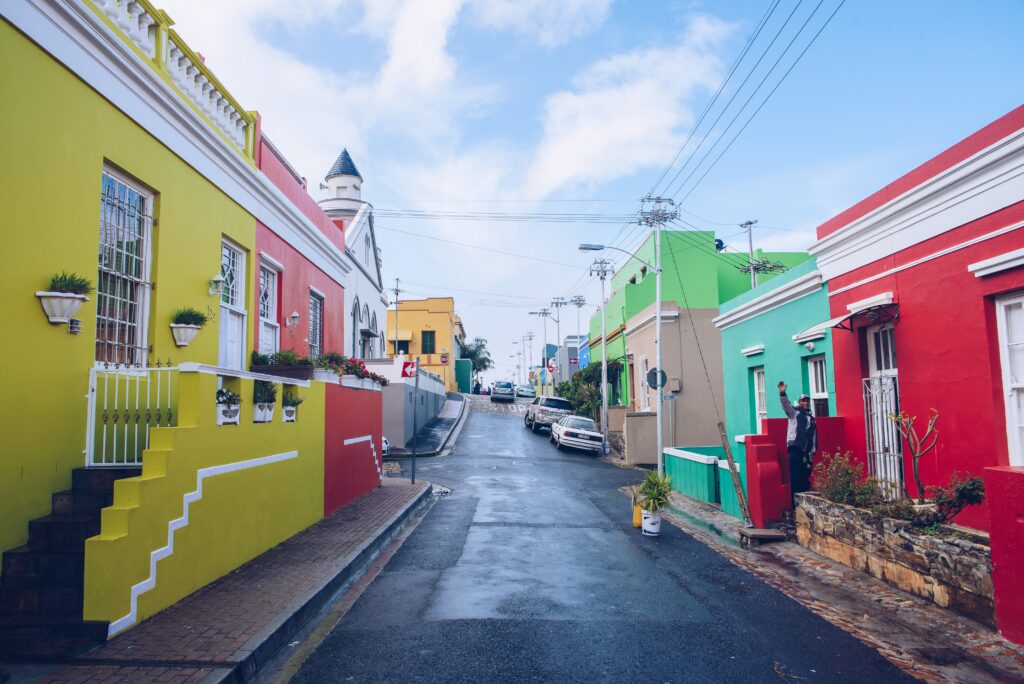
The brightly painted houses of the Bo-Kaap are among Cape Town’s most photographed sights. They are also people’s homes, within a neighbourhood of profound cultural and religious importance.
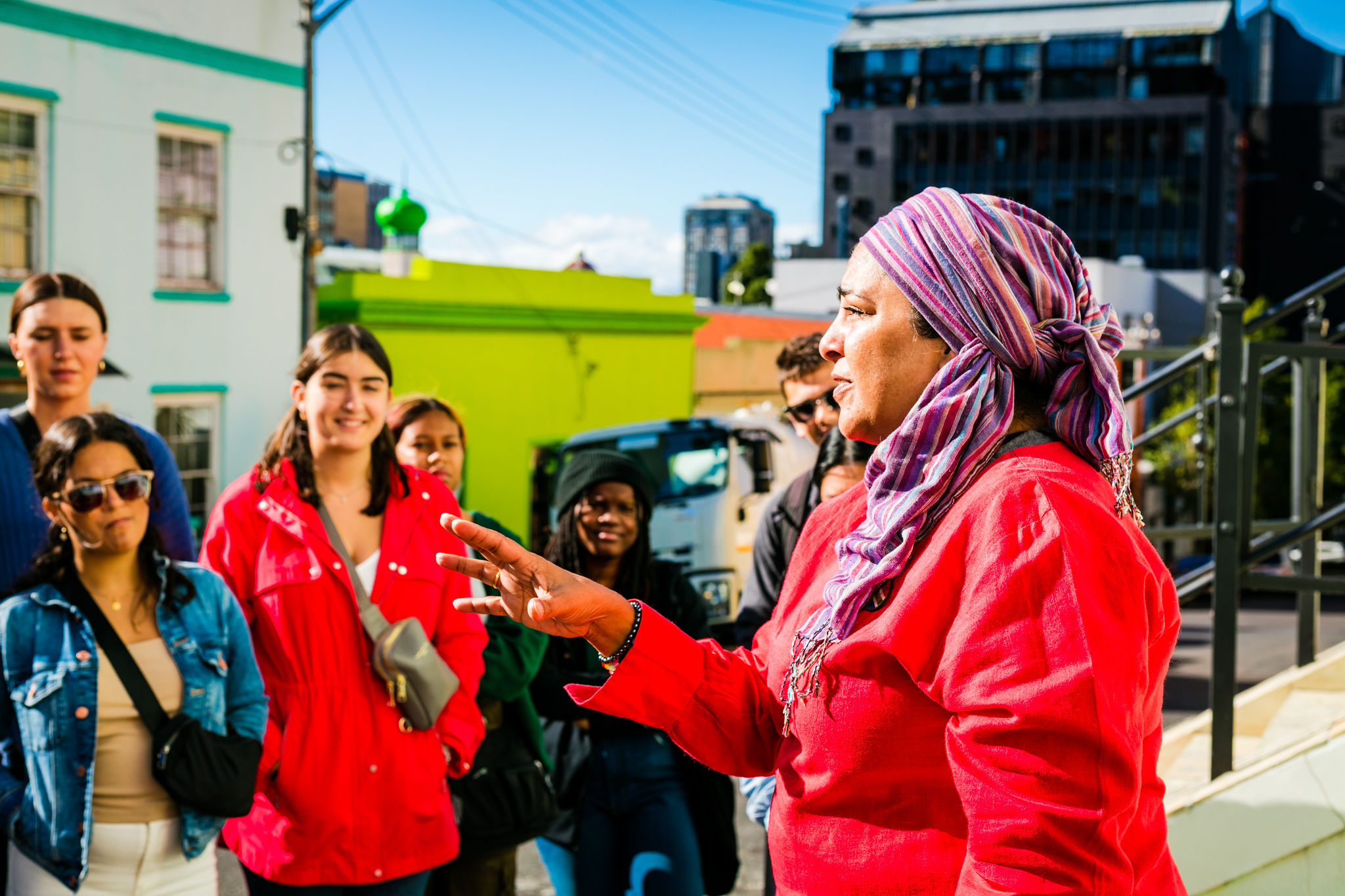
The two-hour Bo-Kaap Walk & Talk is led by guides from the community. Their involvement allows the experience to move beyond the familiar façades and into the family histories, faith and traditions that have sustained the neighbourhood over generations.
Bo-Kaap was shaped by enslaved people, political exiles and artisans brought to the Cape from Indonesia, Malaysia, India and other parts of Africa. From these diverse origins grew the community now associated with Cape Malay culture.
Walking through the cobbled streets, you learn about the neighbourhood’s historic mosques and the resilience of early Muslim communities under colonial rule. The route passes the Auwal Mosque, South Africa’s oldest mosque, and visits Atlas Trading, where shelves filled with masalas and aromatic spices provide an introduction to the ingredients central to Cape Malay cooking.
The experience concludes in a local family home over rooibos tea and traditional Cape Malay sweet treats. It is an opportunity to hear personal stories about life in the neighbourhood – past and present – and about the pressures and changes affecting its future.
Bo-Kaap is exceptionally photogenic, but the most memorable part of this walk is likely to be a conversation rather than a photograph.