
From Cape Malay kitchens and neighbourhood food shops to historic vineyards and hidden cocktail bars, these five guided experiences reveal the people, places and stories behind the Cape’s exceptional food scene.
Visitors tend to arrive in Cape Town with a familiar list: Table Mountain, the penguins of Boulders Beach, Cape Point and perhaps a day among the vineyards. What they may not expect is just how many of their favourite memories will end up revolving around food.
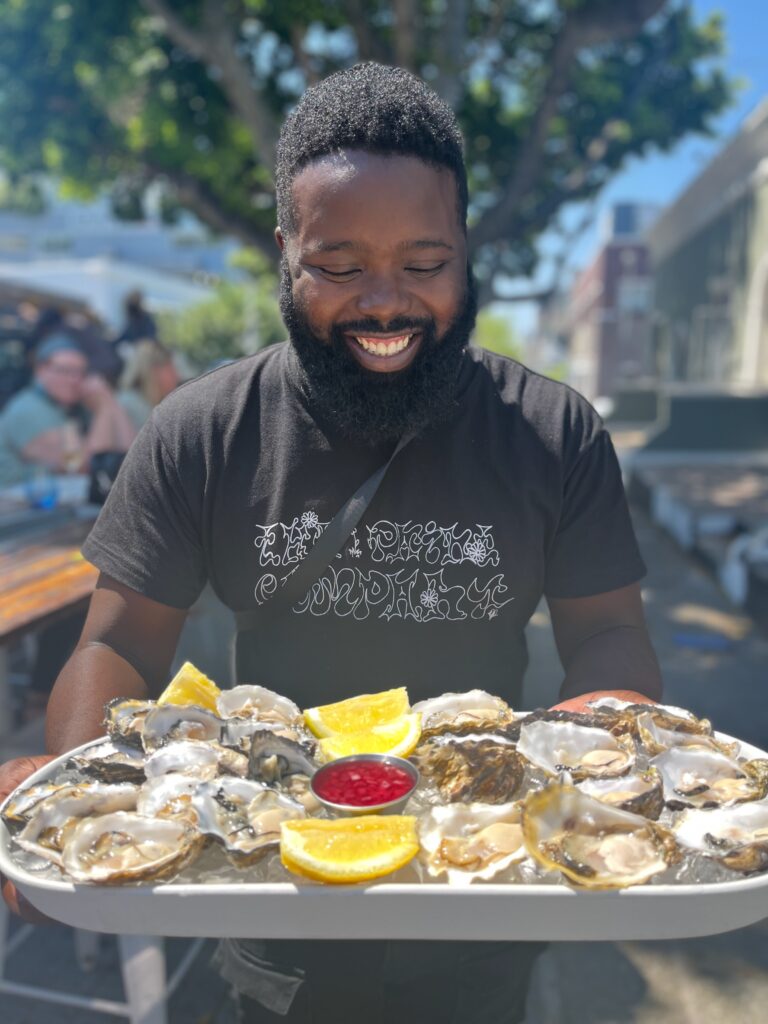
Cape Town is one of Africa’s great culinary cities. Its leading restaurants are internationally recognised, but its appeal extends far beyond elaborate tasting menus. Excellent seafood, farm-grown produce, Cape Malay family recipes, indigenous ingredients, artisan producers and an outstanding local wine industry all contribute to a food culture that is both deeply rooted and constantly evolving.
There is also the value. Cape Town’s best restaurants are not cheap, but visitors from Europe and North America will often find that the standard of cooking, wine and service is exceptional for the price of an equivalent experience at home.
You could explore independently, of course. But, just as on safari, a good guide reveals what you would otherwise pass by. They know which unassuming bakery makes an exceptional koesister, which shop sells the finest spices, which door conceals a serious cocktail bar and which vineyard path leads to a particularly good lunch.
These are five of our favourite ways to explore Cape Town and the Winelands with an appetite.
Cape Flavours Food Tour: the city on a plate
If you want to understand Cape Town through its food, the Cape Flavours Food Tour is the place to begin.
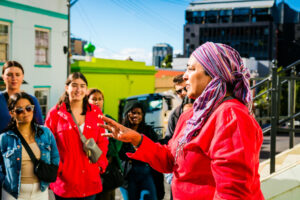
This privately guided, full-day walking tour moves through the city at street level, linking neighbourhood eateries, spice shops, independent cafés and artisan producers. Rather than concentrating on one style of cooking, it explores the many influences that have shaped the Cape’s culinary identity.
You might begin with a koesister, the soft, spiced Cape Malay doughnut traditionally rolled in coconut, before progressing to biltong, cheese, cured meats, handmade chocolates or a slice of milk tart. Drinks can range from an aromatic rooibos cappuccino to ethically roasted coffee or a barrel-aged cocktail.
The individual tastings are delicious, but it is the context provided by the guide that makes the day. Family recipes lead into conversations about Cape Malay heritage; traditional preserves and relishes reveal how different communities cooked with the ingredients available to them; and contemporary cafés and chocolate makers demonstrate how confidently the city’s food scene continues to develop.
Saturday tours also visit a lively food market. Whenever you go, arrive hungry: the many tastings amount to a substantial meal.
Cook Cape Town: beyond the restaurant table
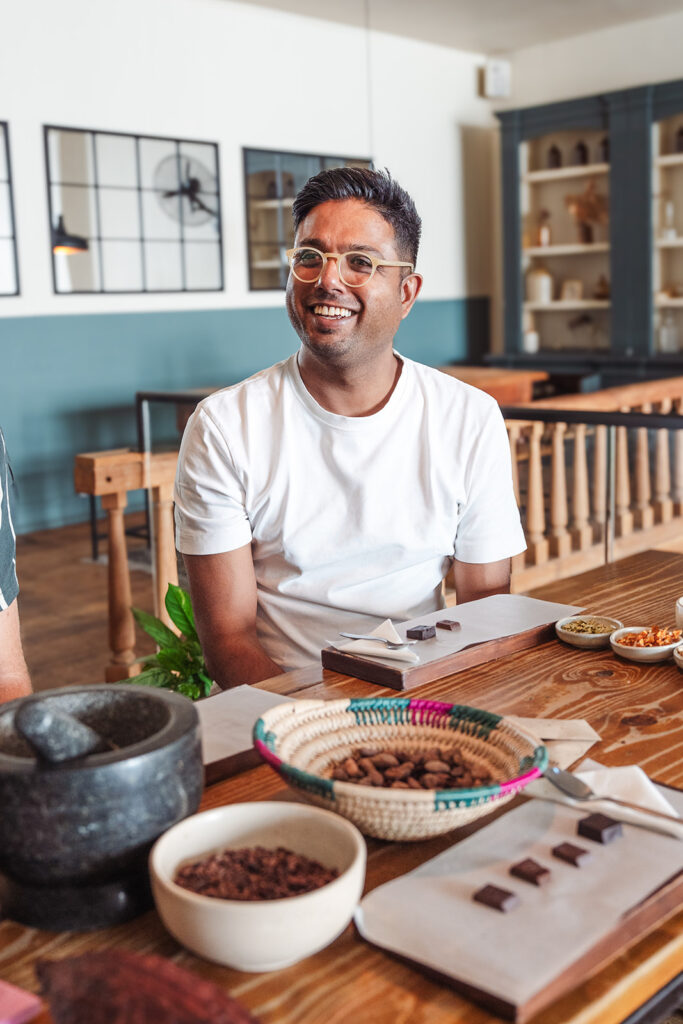
Eating local food is one thing; preparing it with the people who know it best brings another level of fun and understanding.
Cook Cape Town is not a conventional demonstration in a professional kitchen. This private, five-hour experience combines three contrasting encounters, introducing traditional cooking, the natural flavours of the Cape and the city’s more contemporary culinary creativity.
The day includes a hands-on Cape Malay cooking session in the Bo-Kaap. Working with local hosts, you learn how spices are combined and how family dishes are prepared, while hearing about the traditions and communities behind them. The atmosphere is relaxed and conversational, with everyone cooking and eating together.
A second experience draws on the extraordinary plant life of the Cape Floral Kingdom. Indigenous herbs, spices and botanicals are used to create a personalised salt blend to take away as a souvenir, accompanied by tastings that introduce some less familiar local flavours.
The final element can be adapted to your interests. You might make an African chocolate slab using single-origin African cacao, or turn your attention to local spirits and seasonal botanicals during a cocktail-making session.
It is the variety that makes this experience particularly appealing. Over half a day, you move from inherited family recipes to wild plant flavours and modern artisan production, meeting passionate Capetonians along the way.
Constantia Wine Walk: wine and wandering
Constantia is remarkably close to central Cape Town, yet its old vineyards, wooded mountain slopes and historic estates can feel far removed from the city.
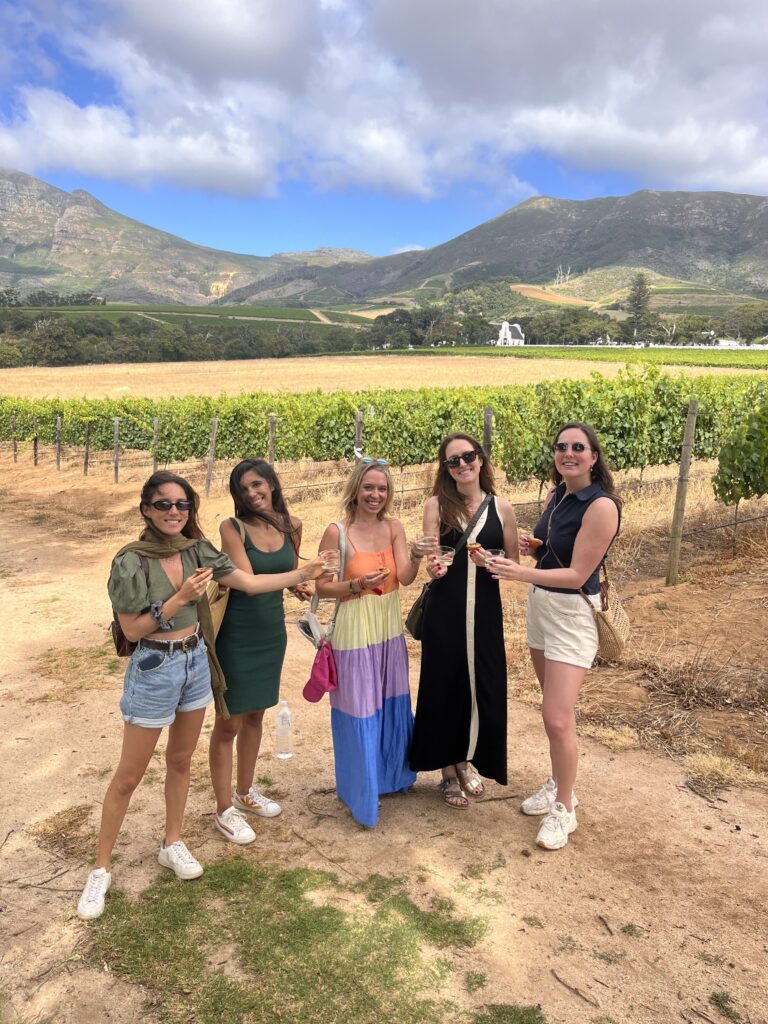
The privately guided Constantia Wine Walk explores South Africa’s oldest wine-growing region on foot. Instead of driving from one tasting room to another, you follow vineyard tracks and private trails through farmland and fragrant fynbos, seeing how the estates fit into the wider landscape.
The walk begins at Groot Constantia, the country’s oldest wine estate, before continuing through the valley to Klein Constantia. Here, the celebrated Vin de Constance recalls a time when Constantia’s sweet wines were sought after by European courts and famously enjoyed by Napoleon.
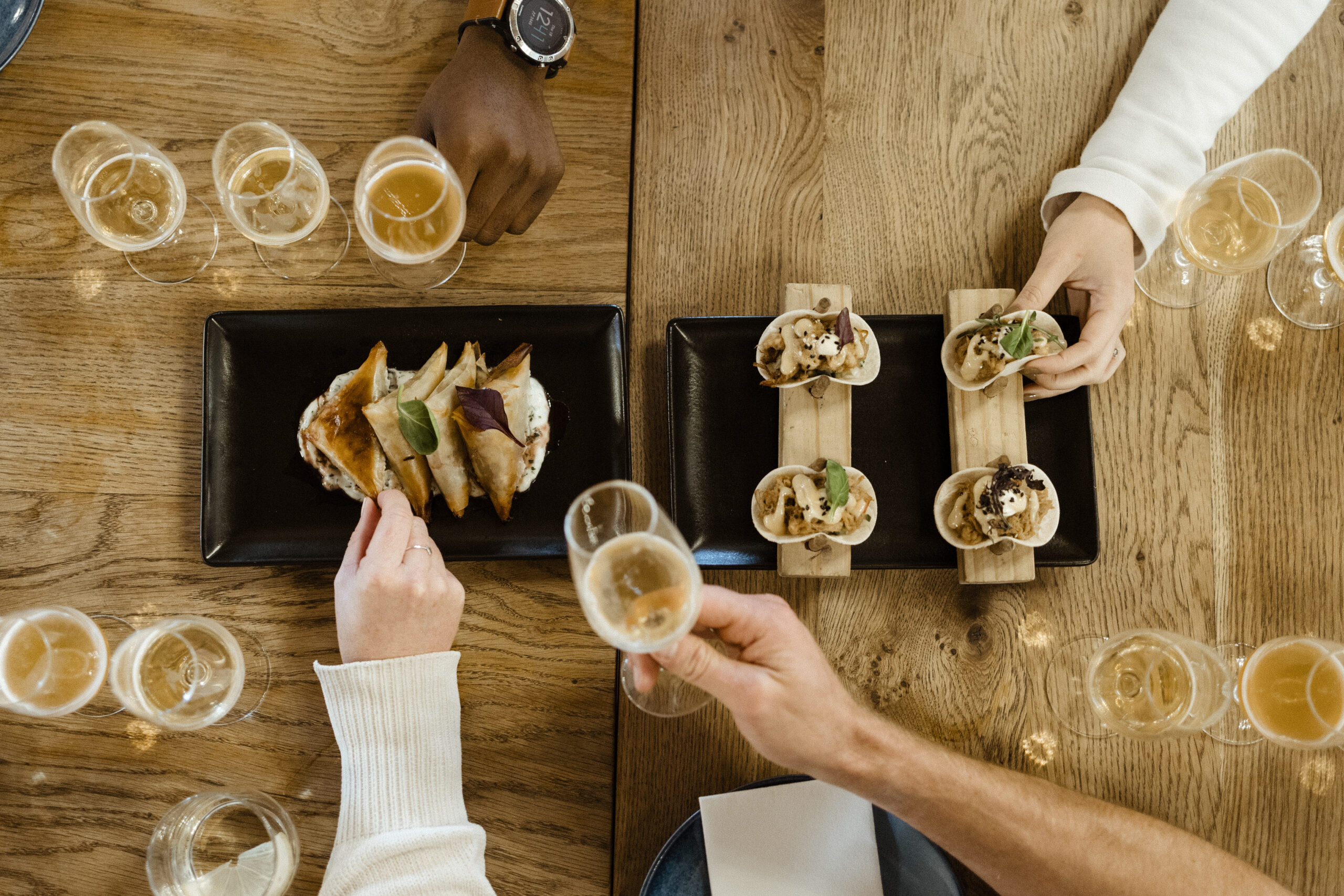
Across the day, there are ten premium wine tastings at three estates. Your guide explains the valley’s history, changing styles of wine and the importance of its mountain-influenced terroir, while the route provides broad views across vineyards and surrounding slopes.
The experience ends at Buitenverwachting, where a leisurely lunch provides a suitably indulgent conclusion to the walking. It is an excellent illustration of what Constantia does so well: combining serious wine, beautiful scenery and considerable history without requiring a long journey from Cape Town.
Taste of Stellenbosch: beyond the wine estates
Stellenbosch may be synonymous with wine, but there is much more to the town than its surrounding vineyards.
The Taste of Stellenbosch walking tour concentrates on the historic centre, where oak-lined streets, whitewashed Cape Dutch buildings and secluded courtyards provide the setting for a relaxed exploration of local food and history.
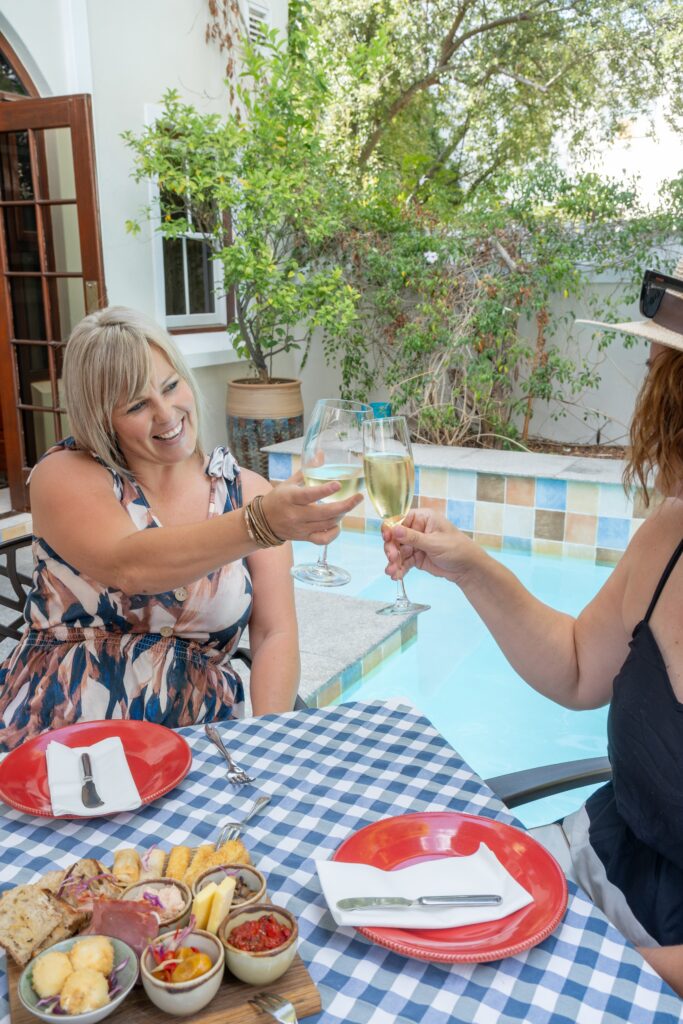
Accompanied by a local guide, you wander between cafés, specialist shops, galleries and historic landmarks, tasting South African snacks, regional specialities and local wines along the way. The guide helps connect what you eat with Stellenbosch’s complex past and its development into one of the Cape’s foremost food and wine destinations.
The experience concludes with a generous mezze-style platter celebrating locally sourced ingredients. At around three and a half hours, it leaves plenty of time for further exploration, or perhaps another wine tasting, later in the day.
This is a small shared-group experience rather than a private tour, with a maximum of eight guests. Its sociable scale suits the relaxed nature of the walk.
Cape Town Cocktail Night: the city after dark
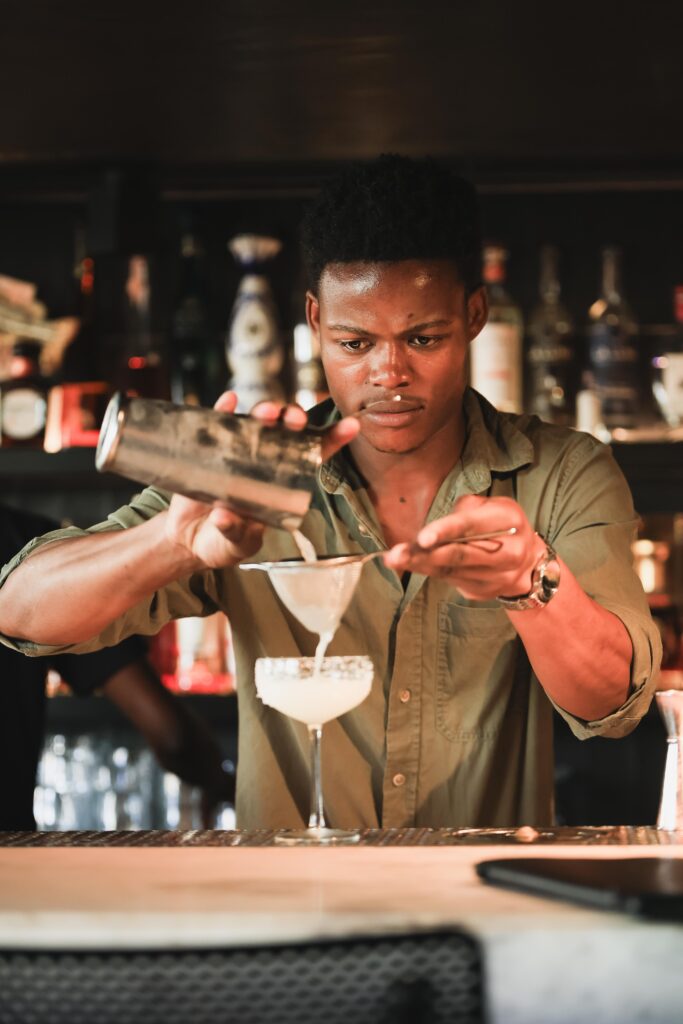
Cape Town changes character in the evening. Rooftops fill as the sun drops towards the Atlantic, discreet doors open onto candlelit rooms and bartenders begin experimenting with local spirits, botanicals and seasonal flavours.
Cape Town Cocktail Night is a privately guided journey through this less visible side of the city. Over two and a half hours, you visit four distinctive venues around Bree Street, Kloof Street and the city centre, with a cocktail included at each stop.
Some bars are concealed behind unmarked entrances or reached using passwords; others are lively rooftops or established local favourites. Your guide handles the navigation and introduces each venue, leaving you to enjoy the drinks, atmosphere and engaging puzzles along the way.
The cocktails might include beautifully executed classics, original house creations and drinks featuring South African spirits. The experience is deliberately timed for the early evening and finishes in one of Cape Town’s best dining areas, making it an entertaining prelude to dinner.